
White Fang
Jack London (1876–1916), 1906
★ 4.03 from 213.2k ratings on Goodreads
A wolf cub born into a hungry Yukon learns, one hard lesson at a time, what men are for. Cold, fierce, plain sentences. Plain, cold sentences carry you through hunger, fear and slow trust, with a steady pull toward tenderness.
Feels like awe, dread and tenderness. About society and home.
Who it’s for
You may like this if you want a stark animal story told with clear, forceful prose and a cold northern setting. Be warned that it contains unsparing scenes of animal suffering and violence, which can make stretches hard to read.
Why read it
It offers a hard, clear-eyed look at how wildness and trust meet, and the plain force of London's prose stays with you.
Pages from the book
What it feels like to discover you have been missing something all along.
As the days went by, the evolution of like into love was accelerated. White Fang himself began to grow aware of it, though in his consciousness he knew not what love was. It manifested itself to him as a void in his being—a hungry, aching, yearning void that clamoured to be filled. It was a pain and an unrest; and it received easement only by the touch of the new god’s presence. At such times love was joy to him, a wild, keen-thrilling satisfaction. But when away from his god, the pain and the unrest returned; the void in him sprang up and pressed against him with its emptiness, and the hunger gnawed and gnawed unceasingly. Life as one long meal where everyone at the table is also on the menu.
Had the cub thought in man-fashion, he might have epitomised life as a voracious appetite and the world as a place wherein ranged a multitude of appetites, pursuing and being pursued, hunting and being hunted, eating and being eaten, all in blindness and confusion, with violence and disorder, a chaos of gluttony and slaughter, ruled over by chance, merciless, planless, endless. How quickly freedom turns into a relief you never asked for.
He belonged to them as all dogs belonged to them. His actions were theirs to command. His body was theirs to maul, to stamp upon, to tolerate. Such was the lesson that was quickly borne in upon him. It came hard, going as it did, counter to much that was strong and dominant in his own nature; and, while he disliked it in the learning of it, unknown to himself he was learning to like it. It was a placing of his destiny in another’s hands, a shifting of the responsibilities of existence. This in itself was compensation, for it is always easier to lean upon another than to stand alone. Jack London.London spent the winter of 1897–98 in the Klondike and came home with scurvy and no gold; the Yukon of his books is built from that single hard year.
Books that feel like this

More by Jack London
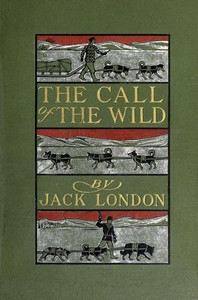
The Call of the Wild
Jack London, 1903
A pampered dog is stolen, sold to the Klondike gold rush, and taught the club before he learns the sled — then something older starts calling.
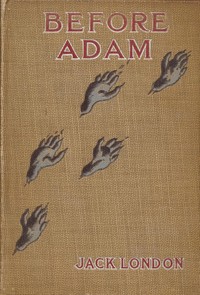
Before Adam
Jack London, 1906
A man dreams his way back into the body of a prehistoric ancestor and finds that fear, desire and laughter are older than language.
Where to get it
Some of these links earn us a small commission, at no cost to you. It keeps BookFeed free.
Questions readers ask
- Is White Fang for me?
- You may like this if you want a stark animal story told with clear, forceful prose and a cold northern setting. Be warned that it contains unsparing scenes of animal suffering and violence, which can make stretches hard to read.
- What is White Fang like?
- Plain, cold sentences carry you through hunger, fear and slow trust, with a steady pull toward tenderness. Feels like awe, dread and tenderness. About society and home.
- What should I read after White Fang?
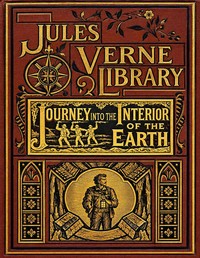
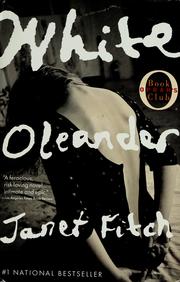
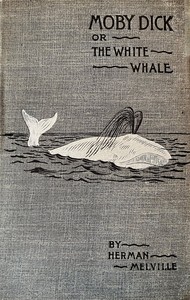
- If you liked White Fang, try Journey to the Center of the Earth (Jules Verne), White Oleander (Janet Fitch) and Moby Dick (Herman Melville).
A taste of the feed
Hatred, praise. Love, suspicion. Love, humiliation.
Isn’t it funny. I’m enjoying my hatred so much more than I ever enjoyed love. Love is temperamental. Tiring. It makes demands. Love uses you, changes its mind. But hatred, now, that’s something you can use. Sculpt. Wield. It’s hard, or soft, however you need it. Love humiliates you, but Hatred cradles you.
White Oleander · Janet Fitch
The calm island inside you, and the ocean waiting around it.
Consider all this; and then turn to this green, gentle, and most docile earth; consider them both, the sea and the land; and do you not find a strange analogy to something in yourself? For as this appalling ocean surrounds the verdant land, so in the soul of man there lies one insular Tahiti, full of peace and joy, but encompassed by all the horrors of the half known life. God keep thee! Push not off from that isle, thou canst never return!
Moby Dick · Herman Melville
The most unsettling thing about power is when it is polite.
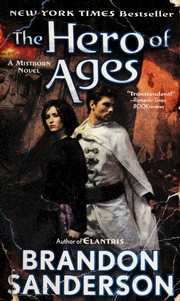
The sword jerked from Druffel’s hand, yanked into the air by an unseen force. The stranger snatched the weapon as it passed his head. He flipped the sword around, inspecting it. “Good steel,” he said, nodding. “I’m impressed. How many of your soldiers are this well equipped?” He flipped the weapon in his hand, handing it back toward Druffel hilt-first.
The Hero of Ages · Brandon Sanderson
Read pages from books like this, one at a time
Keep reading in the feed