The Call of the Wild
Jack London, 1903
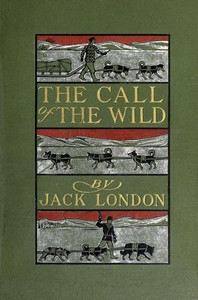
A pampered dog is stolen, sold to the Klondike gold rush, and taught the club before he learns the sled — then something older starts calling.
 BookFeed Ελληνικά
1876–1916
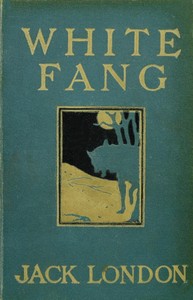
Jack London writes the far north without romance: cold that bites, dogs that pull, men who make hard bargains. His sentences are plain and quick, and the same stripped-down feeling runs through «The Call of the Wild» and «White Fang», both stories of animals learning what hunger and men teach them. Start with «The Call of the Wild» if you want the sled trail and the pull of an older life, or «White Fang» if you'd rather follow a wolf cub learning the world one hard lesson at a time.
Feels like dread, awe and nature.
Start with The Call of the Wild.
London joined the Klondike gold rush at 21 and came back a year later with scurvy and no gold; he ran for mayor of Oakland twice on the socialist ticket and lost badly.
The strange forgetfulness that arrives when you are most alive.
There is an ecstasy that marks the summit of life, and beyond which life cannot rise. And such is the paradox of living, this ecstasy comes when one is most alive, and it comes as a complete forgetfulness that one is alive. This ecstasy, this forgetfulness of living, comes to the artist, caught up and out of himself in a sheet of flame; it comes to the soldier, war-mad on a stricken field and refusing quarter; and it came to Buck, leading the pack, sounding the old wolf-cry, straining after the food that was alive and that fled swiftly before him through the moonlight. He was sounding the deeps of his nature, and of the parts of his nature that were deeper than he, going back into the womb of Time. Jack London, 1903
A pampered dog is stolen, sold to the Klondike gold rush, and taught the club before he learns the sled — then something older starts calling.
Jack London, 1906
A wolf cub born into a hungry Yukon learns, one hard lesson at a time, what men are for. Cold, fierce, plain sentences.
Jack London, 1906
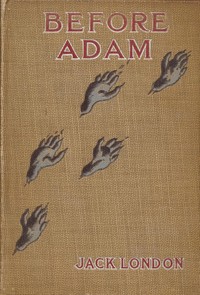
A man dreams his way back into the body of a prehistoric ancestor and finds that fear, desire and laughter are older than language.
Read pages from books like this, one at a time
BookFeed is a feed of real passages from real books. It learns what moves you and finds your next book.
Open BookFeedFree, no sign-up.