
The Sport of the Gods
Paul Laurence Dunbar (1872–1906), 1902
★ 3.74 from 832 ratings on Goodreads
A Black family's fall from grace in a small Southern town becomes a harrowing, darkly comic education in New York's promises and cruelties. Dunbar's voice moves between tender family grief and dry satire, with a pace that tightens as small-town certainties give way to city noise.
Feels like grief, humor and hope. About morality and family.
Who it’s for
You may like it if you want a family story told with moral seriousness and a satirical edge. Be ready for a bleak stretch once the setting shifts to New York, and for phrasing that carries its 1902 date.
Why read it
It shows how quickly respectability can be stripped away, and how comedy and grief can sit in the same scene without cancelling each other.
Pages from the book
The first sign that a new city is quietly ruining you.
Whom the Gods wish to destroy they first make mad. The first sign of the demoralisation of the provincial who comes to New York is his pride at his insensibility to certain impressions which used to influence him at home. First, he begins to scoff, and there is no truth in his views nor depth in his laugh. But by and by, from mere pretending, it becomes real. He grows callous. After that he goes to the devil very cheerfully. The liar who believes himself so completely he hurts no one.
The truth about the young reporter was that he was born and reared on a Vermont farm, where his early life was passed in fighting for his very subsistence. But this never troubled Skaggsy. He was a monumental liar, and the saving quality about him was that he calmly believed his own lies while he was telling them, so no one was hurt, for the deceiver was as much a victim as the deceived. The boys who knew him best used to say that when Skaggs got started on one of his debauches of lying, the Recording Angel always put on an extra clerical force. How footlights turn cheap cloth into chiffon.
Kitty was enchanted. The airily dressed women seemed to her like creatures from fairyland. It is strange how the glare of the footlights succeeds in deceiving so many people who are able to see through other delusions. The cheap dresses on the street had not fooled Kitty for an instant, but take the same cheesecloth, put a little water starch into it, and put it on the stage, and she could see only chiffon. Paul Laurence Dunbar.Paul Laurence Dunbar was born in Dayton, Ohio, to parents who had been enslaved, and he died at thirty-three, four years after this novel appeared.
Books that feel like this

Where to get it
Some of these links earn us a small commission, at no cost to you. It keeps BookFeed free.
Questions readers ask
- Is The Sport of the Gods for me?
- You may like it if you want a family story told with moral seriousness and a satirical edge. Be ready for a bleak stretch once the setting shifts to New York, and for phrasing that carries its 1902 date.
- What is The Sport of the Gods like?
- Dunbar's voice moves between tender family grief and dry satire, with a pace that tightens as small-town certainties give way to city noise. Feels like grief, humor and hope. About morality and family.
- What should I read after The Sport of the Gods?
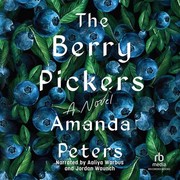
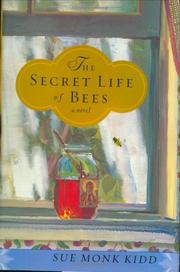
- If you liked The Sport of the Gods, try The Berry Pickers (Amanda Peters), Iola Leroy (Frances Ellen Watkins Harper) and The Secret Life of Bees (Sue Monk Kidd).
A taste of the feed
For an only child, books are more than paper; they are a way out.
I found it strange that no word exists for a parent who loses a child. If children lose their parents, they are orphans. If a husband loses his wife, he’s a widower. But there’s no word for a parent who loses a child. I’ve come to believe that the event is just too big, too monstrous, too overwhelming for words. No word could ever describe the feeling, so we leave it unsaid.
The Berry Pickers · Amanda Peters
She is being offered a palace, and she is thinking about a voice.
When the war is over I intend to search the country for my mother. Doctor, were you to give me a palace-like home, with velvet carpets to hush my tread, and magnificence to surround my way, I should miss her voice amid all other tones, her presence amid every scene. Oh, you do not know how hungry my heart is for my mother! Were I to marry you I would carry an aching heart into your home and dim its brightness. I have resolved never to marry until I have found my mother. The hope of finding her has colored all my life since I regained my freedom. It has helped sustain me in the hour of fearful trial.
Iola Leroy · Frances Ellen Watkins Harper
When beauty enters the body before the mind can name it.
I didn’t know what to think, but what I felt was magnetic and so big it ached like the moon had entered my chest and filled it up. The only thing I could compare it to was the feeling I got one time when I walked from the peach stand and saw the sun spreading across the late afternoon, setting the top of the orchard on fire while darkness collected underneath. Silence had hovered over my head, beauty multiplying in the air, the trees so transparent I felt like I could see through to something pure inside them. My chest ached then, too, this very same way.
The Secret Life of Bees · Sue Monk Kidd
Read pages from books like this, one at a time
Keep reading in the feed