
The Names
Florence Knapp, 2025
Historical fiction HistoryContemporary fictionLiterary fiction
A novel about the inheritances that aren’t money: sayings, habits, and the parts of a mother she packs away. The novel moves with a lyrical and tender pace, focusing on the quiet weight of memory and familial identity.
Feels like tenderness and unease. About family, memory and identity.
Who it’s for
You may like it if you enjoy literary fiction that explores the unspoken burdens of motherhood and inherited habits. However, the exploration of maternal sacrifice is deeply emotional and may feel heavy in places.
Why read it
Read this to witness how small, seemingly domestic acts can reveal profound truths about who we become.
A page from the book
What parents quietly pack away, and never mention afterward.
She suspects that, to be a good parent, she must pack away the mothering part of herself into a box and gently close the lid on it. She had not realised this is what would be required of her, had not seen it coming. And yet she will do so willingly. Would you lay down your life for your child? the world silently asks. Yes, she’s done this. But she hadn’t known there would be a second reckoning, where this would eventually mean laying down the arms of motherhood: caution, foreseeing, checking, reminding, nurturing, openly caring. Florence Knapp.Knapp often builds a scene from a homely metaphor—cooking, packing a box, reading aloud—then lets it quietly turn into a question about inheritance.
Books that feel like this
Where to get it
Some of these links earn us a small commission, at no cost to you. It keeps BookFeed free.
Questions readers ask
- Is The Names for me?
- You may like it if you enjoy literary fiction that explores the unspoken burdens of motherhood and inherited habits. However, the exploration of maternal sacrifice is deeply emotional and may feel heavy in places.
- What is The Names like?
- The novel moves with a lyrical and tender pace, focusing on the quiet weight of memory and familial identity. Feels like tenderness and unease. About family, memory and identity.
- What should I read after The Names?
- If you liked The Names, try She’s Come Undone (Wally Lamb), The Red Tent (Anita Diamant) and Middlesex (Jeffrey Eugenides).
A taste of the feed
The war between a father's absence and a mother's silence, told by a child.
I wanted my father to be at home laughing with Ma on Saturday afternoons, instead of with Mrs. Masicotte, who had yellowy white hair and a fat little body like Zahra’s. My father called Mrs. Masicotte by her first name, LuAnn; Ma called her, simply, “her.” “It’s her,” she’d tell Daddy whenever the telephone interrupted our dinner.
She’s Come Undone · Wally Lamb
A place at the table, handed down whether or not you asked.
My father has asked me to be the fourth corner at the Joy Luck Club.
The Joy Luck Club · Amy Tan
Why calling a close friend a sister can feel like a small betrayal.
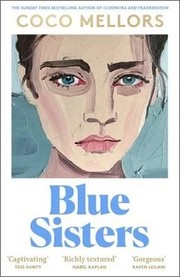
A sister is not a friend. Who can explain the urge to take a relationship as primal and complex as a sibling and reduce it to something as replaceable, as banal as a friend? Yet this status is used again and again to connote the highest intimacy. True sisterhood is not the same as friendship. You don’t choose each other and there is no furtive period of getting to know each other. You are a part of each other, right from the start. Look at an umbilical cord—tough, sinuous, unlovely, yet essential—and compare it to a friendship bracelet of brightly woven thread. That is the difference between a sister and a friend.
Blue Sisters · Coco Mellors
Read pages from books like this, one at a time
Keep reading in the feed