
The Four Winds
Kristin Hannah, 2021
Historical fiction Contemporary fictionYoung adult
Texas, 1934: a woman nobody at home ever wanted walks out into the Dust Bowl and decides how much she is willing to endure.
Feels like melancholy, hope and defiance. About family, identity and freedom.
A page from the book
A town sets a deadline for a woman's life, then narrates her failure.
Hope began to dim for a woman when she turned twenty. By twenty-two, the whispers in town and at church would have begun, the long, sad looks. By twenty-five, the die was cast. An unmarried woman was a spinster. “On the shelf,” they called her, shaking heads and tsking at her lost opportunities. Usually people wondered why, what had turned a perfectly ordinary woman from a good family into a spinster. But in Elsa’s case, everyone knew. They must think she was deaf, the way they talked about her. Poor thing. Skinny as a rake handle. Not nearly as pretty as her sisters. Kristin Hannah.The storms behind the novel were real: on 14 April 1935, 'Black Sunday,' a dust cloud some 200 miles wide rolled over the plains and turned noon into night.
Books that feel like this
More by Kristin Hannah
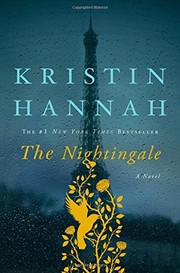
The Nightingale
Kristin Hannah, 2015
Two sisters in occupied France discover how ordinary choices can become courage, betrayal, and survival.
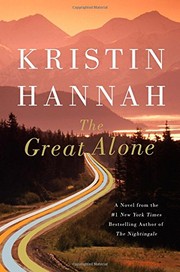
The Great Alone
Kristin Hannah, 2018
A girl, her fragile mother and a Vietnam-scarred father inherit forty acres of Alaska — a story about how far love will drive a family.
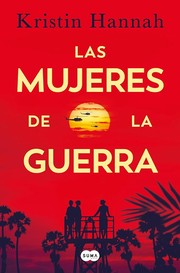
The Women
Kristin Hannah, 2024
A sheltered California girl becomes an Army nurse in Vietnam, and discovers a war that will not stay far away.
Where to get it
Some of these links earn us a small commission, at no cost to you. It keeps BookFeed free.
Questions readers ask
- What is The Four Winds like?
- Feels like melancholy, hope and defiance. About family, identity and freedom.
- What should I read after The Four Winds?
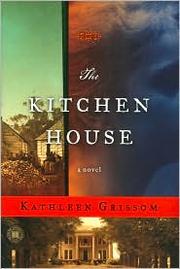
- If you liked The Four Winds, try The Kitchen House (Kathleen Grissom), The Namesake (Jhumpa Lahiri) and I Am Malala (Malala Yousafzai).
A taste of the feed
How a father explains race to a child using nothing but the chickens.
Could I be your girl, too?“ I asked quickly. The large, broad-shouldered man looked away before he answered. ”Well, now,“ he said, as though he had given it deep thought, ”I sure do think I would like that.“ ”But,“ I said, concerned that he hadn’t noticed, ”I don’t look like your other girls.“ ”You mean because you white?“ I nodded. ”Abinia,“ he said, pointing toward the chickens, ”you look at those birds. Some of them be brown, some of them be white and black. Do you think when they little chicks, those mamas and papas care about that?
The Kitchen House · Kathleen Grissom
The strange parallels between waiting for a child and waiting for belonging.
Though no longer pregnant, she continues, at times, to mix Rice Krispies and peanuts and onions in a bowl. For being a foreigner Ashima is beginning to realize, is a sort of lifelong pregnancy — a perpetual wait, a constant burden, a continuous feeling out of sorts. It is an ongoing responsibility, a parenthesis in what had once been an ordinary life, only to discover that previous life has vanished, replaced by something more complicated and demanding. Like pregnancy, being a foreigner, Ashima believes, is something that elicits the same curiosity of from strangers, the same combination of pity and respect.
The Namesake · Jhumpa Lahiri
The kind of power that never gets called power.
Our men think earning money and ordering around others is where power lies. They don’t think power is in the hands of the woman who takes care of everyone all day long, and gives birth to their children.
I Am Malala · Malala Yousafzai
Read pages from books like this, one at a time
Keep reading in the feed