
The Vanishing Half
Brit Bennett, 2020
Historical fiction Contemporary fictionLiterary fiction
Twin sisters in a Louisiana town built on light skin: one vanishes into a white life, one comes home with a daughter the colour of night. A lyrical, witty family story with a melancholy undertow, moving at a steady pace through secrets, race and sisterhood.
Feels like curiosity and melancholy. About identity and family.
Who it’s for
You may like it if you enjoy family sagas about sisters, race and secrets told in a lyrical, witty voice. The novel's central subject is racial passing and estrangement, and its mood is melancholy rather than comforting.
Why read it
Bennett writes about identity and family with wit and melancholy, and the twins' diverging lives give you plenty to think about.
A page from the book
The version of you a town invents the moment you leave.
She was a selfish girl. If they remembered anything about Desiree, it was that and most didn’t recall much more. The twins had been gone fourteen years, nearly as long as anyone had ever known them. Vanished from bed after the Founder’s Day dance, while their mother slept right down the hall. One morning, the twins crowded in front of their bathroom mirror, four identical girls fussing with their hair. The next, the bed was empty, the covers pulled back like any other day, taut when Stella made it, crumpled when Desiree did. The town spent all morning searching for them, calling their names through the woods, wondering stupidly if they had been taken. Their disappearance seemed as sudden as the rapture, all of Mallard the sinners left behind. Brit Bennett.Bennett grew up in Oceanside, California, and wrote much of the novel in the mornings before teaching, after a decade of wondering what would make a sister leave her twin behind.
Books that feel like this
Where to get it
Some of these links earn us a small commission, at no cost to you. It keeps BookFeed free.
Questions readers ask
- Is The Vanishing Half for me?
- You may like it if you enjoy family sagas about sisters, race and secrets told in a lyrical, witty voice. The novel's central subject is racial passing and estrangement, and its mood is melancholy rather than comforting.
- What is The Vanishing Half like?
- A lyrical, witty family story with a melancholy undertow, moving at a steady pace through secrets, race and sisterhood. Feels like curiosity and melancholy. About identity and family.
- What should I read after The Vanishing Half?
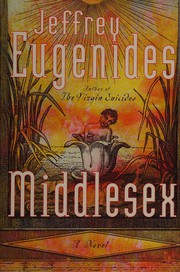
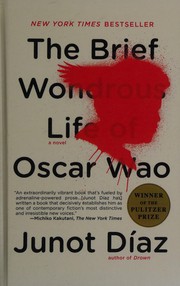
- If you liked The Vanishing Half, try Middlesex (Jeffrey Eugenides), The Namesake (Jhumpa Lahiri) and The Brief Wondrous Life of Oscar Wao (Junot Díaz).
A taste of the feed
The strange parallels between waiting for a child and waiting for belonging.
Though no longer pregnant, she continues, at times, to mix Rice Krispies and peanuts and onions in a bowl. For being a foreigner Ashima is beginning to realize, is a sort of lifelong pregnancy — a perpetual wait, a constant burden, a continuous feeling out of sorts. It is an ongoing responsibility, a parenthesis in what had once been an ordinary life, only to discover that previous life has vanished, replaced by something more complicated and demanding. Like pregnancy, being a foreigner, Ashima believes, is something that elicits the same curiosity of from strangers, the same combination of pity and respect.
The Namesake · Jhumpa Lahiri
What if a curse arrived in the Caribbean on the screams of the enslaved?
They say it came first from Africa, carried on the screams of the enslaved; that it was the death bane of the Tainos, uttered just as one world perished and another began; that it was a demon drawn into Creation through the nightmare door that was cracked open in the Antilles.
The Brief Wondrous Life of Oscar Wao · Junot Díaz
How a father explains race to a child using nothing but the chickens.
Could I be your girl, too?“ I asked quickly. The large, broad-shouldered man looked away before he answered. ”Well, now,“ he said, as though he had given it deep thought, ”I sure do think I would like that.“ ”But,“ I said, concerned that he hadn’t noticed, ”I don’t look like your other girls.“ ”You mean because you white?“ I nodded. ”Abinia,“ he said, pointing toward the chickens, ”you look at those birds. Some of them be brown, some of them be white and black. Do you think when they little chicks, those mamas and papas care about that?
The Kitchen House · Kathleen Grissom
Read pages from books like this, one at a time
Keep reading in the feed