
The Emperor of Portugallia
Selma Lagerlöf (1858–1940), 1914
★ 3.90 from 9.6k ratings on Goodreads
A poor crofter tells his village that his daughter has become an empress, and half believes it. A novel about the dignity love invents when it can't afford the truth. A tender, melancholy story told in a slow, lyrical voice, with a father's longing pressing through plain village scenes.
Feels like tenderness, melancholy and longing. About family, love and identity.
Who it’s for
You may like it if you are drawn to quiet family stories and to fiction that takes a father's love seriously. The period translation can feel formal and the sorrow runs deep, so it may suit readers who don't mind a somber, unhurried pace.
Why read it
It offers a close look at how love makes its own dignity when reality is poor and uncertain, in prose that stays gentle rather than sentimental.
Pages from the book
The night before a child leaves, a father rehearses the loss.
Jan moved quietly away from the door, where he had been standing a moment, listening, and sat down on the step. He never thought for an instant that Glory Goldie would remain at home. Indeed he knew better than did anyone else that she must go away. All the same it was to him as if the soft little bundle had again been laid in his arms. His heart had been set going once more. Now it was beating away in his breast as if trying to make up for lost time. With that he felt that his armour of defence was gone. The moment a man learns what a crowd's applause is worth.
This was followed by loud laughs from the crowd, Jan was so dumbfounded that all he could do was to stand still and look at the people. He glanced from one to another, unable to get over his amazement. Dear, dear! Was there no one among all those who had honoured and applauded him who would help him now, in his hour of need? The people stood there, unmoved. He saw then that he meant nothing to them and that they would not lift a finger for him. He became so frightened that all his imperial greatness fell from him, and he was like a little child that is ready to cry because its playthings have been taken away. A father who has something to ask and no way to ask it.
During these visits the father and son immediately they had finished their coffee always went fishing. The old man usually kept very still on these occasions, so as not to scare the fish away, but this year was the exception. He spoke to the son time and again. His words came with difficulty, as always, still there seemed to be more life in him now than ordinarily. Evidently there was something special he wanted to say, or rather something he wished to draw from his son. He was like one who stands outside an empty house shouting and calling, in the hope that somebody will come and open the door to him. Selma Lagerlöf.Lagerlöf was the first woman to win the Nobel Prize in Literature, in 1909, and the first woman elected to the Swedish Academy, in 1914.
Books that feel like this
Where to get it
Some of these links earn us a small commission, at no cost to you. It keeps BookFeed free.
Questions readers ask
- Is The Emperor of Portugallia for me?
- You may like it if you are drawn to quiet family stories and to fiction that takes a father's love seriously. The period translation can feel formal and the sorrow runs deep, so it may suit readers who don't mind a somber, unhurried pace.
- What is The Emperor of Portugallia like?
- A tender, melancholy story told in a slow, lyrical voice, with a father's longing pressing through plain village scenes. Feels like tenderness, melancholy and longing. About family, love and identity.
- What should I read after The Emperor of Portugallia?
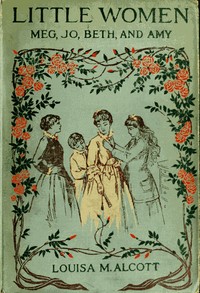
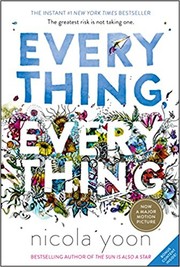
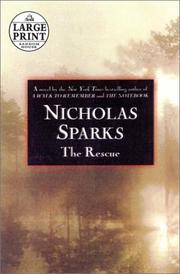
- If you liked The Emperor of Portugallia, try Little Women (Louisa May Alcott), Everything, Everything (Nicola Yoon) and The Rescue (Nicholas Sparks).
A taste of the feed
The one day a year when everything you're missing becomes impossible to ignore.
My birthday is the one day of the year that we’re both most acutely aware of my illness. It’s the acknowledging of the passage of time that does it. Another whole year of being sick, no hope for a cure on the horizon. Another year of missing all the normal teenagery things—learner’s permit, first kiss, prom, first heartbreak, first fender bender. Another year of my mom doing nothing but working and taking care of me. Every other day these omissions are easy—easier, at least—to ignore.
Everything, Everything · Nicola Yoon
The quiet belief that raising a child is not quite real work.
So many people these days, it seemed, believed that these things (personal fulfillment and self-esteem) could come only from work, not from parenting, and many people believed that having children had nothing to do with raising them.
The Rescue · Nicholas Sparks
A place at the table, handed down whether or not you asked.
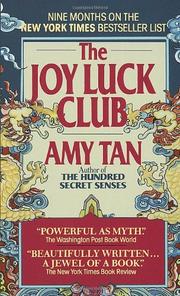
My father has asked me to be the fourth corner at the Joy Luck Club.
The Joy Luck Club · Amy Tan
Read pages from books like this, one at a time
Keep reading in the feed