
Seabiscuit
Laura Hillenbrand, 2001
★ 4.23 from 171.5k ratings on Goodreads
A true Depression-era story about a discarded racehorse, a damaged jockey and the salesman who bet on both. The story moves with a warm, witty voice and a steady pulse of hope, ambition and joy, even through hard times.
Feels like hope, serenity and passion. About ambition, love and friendship.
Who it’s for
You may like it if you enjoy underdog histories, vivid Depression-era settings, and stories about bonds between people and animals. Be warned that some readers found the racing and training detail slow, so long technical stretches may test your patience.
Why read it
It offers a vivid, suspenseful look at an unlikely comeback and the damaged people and horse who made it, with enough historical texture to satisfy curious readers.
A page from the book
When a new machine arrives, the laws get wonderfully ridiculous.
For good reason. The automobile, so sleekly efficient on paper, was in practice a civic menace, belching out exhaust, kicking up storms of dust, becoming hopelessly mired in the most innocuous-looking puddles, tying up horse traffic, and raising an earsplitting cacophony that sent buggy horses fleeing. Incensed local lawmakers responded with monuments to legislative creativity. The laws of at least one town required automobile drivers to stop, get out, and fire off Roman candles every time horse-drawn vehicles came into view. Massachusetts tried and, fortunately, failed to mandate that cars be equipped with bells that would ring with each revo- lution of the wheels. In some towns police were authorized to disable passing cars with ropes, chains, wires, and even bullets, so long as they took reasonable care to avoid gunning down the drivers. San Francisco didn’t escape the legislative wave. What readers say
Readers describe an inspiring, suspenseful underdog story that makes horse racing vivid and accessible even to skeptics, with strong historical atmosphere and emotional bonds among horse and people. Some found racing/training detail slow, while many were absorbed by it.
Laura Hillenbrand.Hillenbrand wrote Seabiscuit largely while bedridden with chronic fatigue syndrome, researching by phone and mail from her home.
Books that feel like this


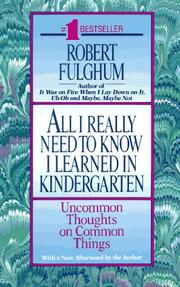
Angela's Ashes
Frank McCourt, 1996
A boy grows up poor in Limerick with an often-absent father and a mother who keeps the family alive, told with comic timing that makes squalor bearable.


More by Laura Hillenbrand
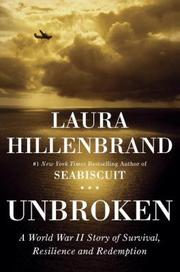
Unbroken
Laura Hillenbrand, 2010
A champion runner, a wartime bomber crash, and a fight to survive the Pacific—and the cruelty that follows.
Where to get it
Some of these links earn us a small commission, at no cost to you. It keeps BookFeed free.
Questions readers ask
- Is Seabiscuit for me?
- You may like it if you enjoy underdog histories, vivid Depression-era settings, and stories about bonds between people and animals. Be warned that some readers found the racing and training detail slow, so long technical stretches may test your patience.
- What is Seabiscuit like?
- The story moves with a warm, witty voice and a steady pulse of hope, ambition and joy, even through hard times. Feels like hope, serenity and passion. About ambition, love and friendship.
- What should I read after Seabiscuit?
- If you liked Seabiscuit, try Becoming (Michelle Obama), Angela's Ashes (Frank McCourt) and Eat, Pray, Love (Elizabeth Gilbert).
A taste of the feed
Grief does not stay at the graveside; it follows you to the fridge.
It hurts to live after someone has died. It just does. It can hurt to walk down a hallway or open the fridge. It hurts to put on a pair of socks, to brush your teeth. Food tastes like nothing. Colors go flat. Music hurts, and so do memories. You look at something you’d otherwise find beautiful—a purple sky at sunset or a playground full of kids—and it only somehow deepens the loss. Grief is so lonely this way.
Becoming · Michelle Obama
What a teacher gives a boy whose shoes are already broken.
He says, you have to study and learn so that you can make up your own mind about history and everything else but you can’t make up an empty mind. Stock your mind, stock your mind. You might be poor, your shoes might be broken, but your mind is a palace.
Angela's Ashes · Frank McCourt
There is a kind of crying that only happens where nobody can hear it.
Everything else about the three-years-ago scene was different, though. That time, I was not in Rome but in the upstairs bathroom of the big house in the suburbs of New York which I’d recently purchased with my husband. It was a cold November, around three o’clock in the morning. My husband was sleeping in our bed. I was hiding in the bathroom for something like the forty-seventh consecutive night, and—just as during all those nights before—I was sobbing. Sobbing so hard, in fact, that a great lake of tears and snot was spreading before me on the bathroom tiles, a veritable Lake Inferior (if you will) of all my shame and fear and confusion and grief.
Eat, Pray, Love · Elizabeth Gilbert
Read pages from books like this, one at a time
Keep reading in the feed