
Passages
Gail Sheehy, 1976
★ 3.87 from 2.3k ratings on Goodreads
A journalist turns her own midlife collapse into a map of the predictable crises that reshape adult life. Sheehy writes with a reporter’s brisk curiosity, mixing personal unease with hopeful, sometimes satirical takes on adult identity.
Feels like hope, unease and curiosity. About time, identity and adventure.
Who it’s for
You may like it if you enjoy candid journalism that blends interviews and personal story to chart how adults reinvent themselves. Its 1976 social lens and examples can feel dated to readers looking for current research.
Why read it
It gives you a clear, unsentimental vocabulary for the restless stretches of adulthood, and reminds you that reinvention is common rather than a private failure.
A page from the book
For the generation that had everything and felt nothing.
Some intruder shook me by the psyche and shouted: Take stock! Half your life has been spent. What about the part of you that wants a home and talks about a second child? Before I could answer, the intruder pointed to something else I had postponed: What about the side of you that wants to contribute to the world? Words, books, demonstrations, donations—is this enough? You have been a performer, not a full participant. And now you are 35. Gail Sheehy.Elliott Jaques coined “midlife crisis” in 1965; Sheehy’s 1976 bestseller made the phrase a household term.
Books that feel like this
Where to get it
Some of these links earn us a small commission, at no cost to you. It keeps BookFeed free.
Questions readers ask
- Is Passages for me?
- You may like it if you enjoy candid journalism that blends interviews and personal story to chart how adults reinvent themselves. Its 1976 social lens and examples can feel dated to readers looking for current research.
- What is Passages like?
- Sheehy writes with a reporter’s brisk curiosity, mixing personal unease with hopeful, sometimes satirical takes on adult identity. Feels like hope, unease and curiosity. About time, identity and adventure.
- What should I read after Passages?
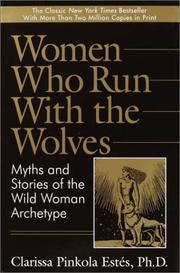
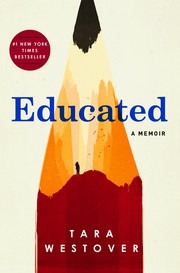
- If you liked Passages, try Women Who Run with the Wolves (Clarissa Pinkola Estes), Educated (Tara Westover) and A Brief History of Time (Stephen W. Hawking).
A taste of the feed
The places that felt holier than any room with a roof.
Although I did not call her by that name then, my love for Wild Woman began when I was a little child. I was an aesthete rather than an athlete, and my only wish was to be an ecstatic wanderer. Rather than chairs and tables, I preferred the ground, trees, and caves, for in those places I felt I could lean against the cheek of God.
Women Who Run with the Wolves · Clarissa Pinkola Estes
What an apology can build after it has arrived too late.
You were my child. I should have protected you. I lived a lifetime in the moment I read those lines, a life that was not the one I had actually lived. I became a different person, who remembered a different childhood. I didn’t understand the magic of those words then, and I don’t understand it now. I know only this: that when my mother told me she had not been the mother to me that she wished she’d been, she became that mother for the first time.
Educated · Tara Westover
The question a physicist can ask but equations cannot answer.
Even if there is only one possible unified theory, it is just a set of rules and equations. What is it that breathes fire into the equations and makes a universe for them to describe? The usual approach of science of constructing a mathematical model cannot answer the questions of why there should be a universe for the model to describe. Why does the universe go to all the bother of existing?
A Brief History of Time · Stephen W. Hawking
Read pages from books like this, one at a time
Keep reading in the feed