
Origin
Dan Brown, 2017
Mystery, thriller & crime Contemporary fiction
A billionaire futurist claims he has answered the two questions every religion answers, and invites his old Harvard professor to watch what happens next. A restless puzzle of science and belief, driven by curiosity and a sense of awe, with Brown's brisk explanatory voice.
Feels like curiosity and awe. About faith, ambition and memory.
Who it’s for
You may like it if you enjoy thrillers that argue about faith and science while chasing a mystery. The dialogue often stops to explain ideas, so the middle can feel slow if you want constant action.
Why read it
It gives you a fast, idea-heavy thriller about how people cope with unanswered questions, and why belief and ambition can pull in different directions.
A page from the book
The mind would rather have a wrong answer than an empty space.
For the human brain,” Edmond explained, “any answer is better than no answer. We feel enormous discomfort when faced with ‘insufficient data,’ and so our brains invent the data—offering us, at the very least, the illusion of order—creating myriad philosophies, mythologies, and religions to reassure us that there is indeed an order and structure to the unseen world. Dan Brown.Brown's mother was a church organist and his father a maths teacher; the science-versus-faith argument his novels stage began at his own dinner table.
Books that feel like this
More by Dan Brown
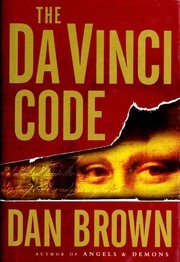
The Da Vinci Code
Dan Brown, 2003
A symbologist is pulled into a murder, a cipher hunt and a centuries-old secret hidden in plain sight across Paris and London.
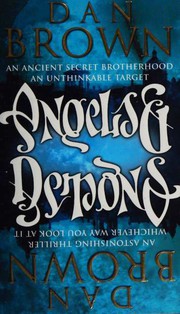
Angels & Demons
Dan Brown, 2000
A Harvard symbologist is pulled from his bed into one night of pursuit beneath Rome, where a corpse is branded with a sign only he can read.
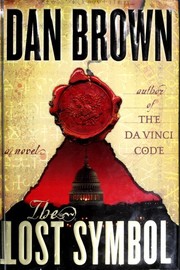
The Lost Symbol
Dan Brown, 2009
A symbologist is summoned to Washington for a lecture and pulled into one night of Masonic codes, hidden monuments and a missing mentor.
Where to get it
Some of these links earn us a small commission, at no cost to you. It keeps BookFeed free.
Questions readers ask
- Is Origin for me?
- You may like it if you enjoy thrillers that argue about faith and science while chasing a mystery. The dialogue often stops to explain ideas, so the middle can feel slow if you want constant action.
- What is Origin like?
- A restless puzzle of science and belief, driven by curiosity and a sense of awe, with Brown's brisk explanatory voice. Feels like curiosity and awe. About faith, ambition and memory.
- What should I read after Origin?
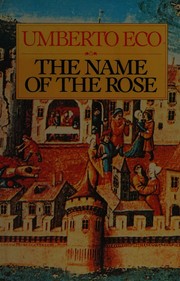
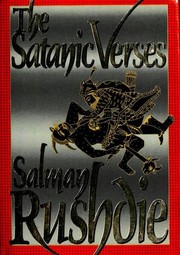
- If you liked Origin, try The Name of the Rose (Umberto Eco), Project Hail Mary (Andy Weir) and The Satanic Verses (Salman Rushdie).
A taste of the feed
The most frightening evil is the kind that never doubts itself.
The Devil is not the Prince of Matter; the Devil is the arrogance of the spirit, faith without smile, truth that is never seized by doubt. The Devil is grim because he knows where he is going, and, in moving, he always returns whence he came.
The Name of the Rose · Umberto Eco
A knock at the door, twelve light-years from home.
Knock-knock-knock No, that’s not creepy at all. Being in a spaceship twelve light-years from home and having someone knock on the door is totally normal.
Project Hail Mary · Andy Weir
What it costs to be the shadow of someone who gets away with everything.
For are they not coinjoined opposites, these two, each man the other’s shadow? – One seeking to be transformed into the foreigness he admires, the other preferring, contemptuously, to transform; one, a hapless fellow who seems to be continually punished for uncommitted crimes, the other called angelic by one and all, the type of man who gets away with everything. – We may describe Chamcha as being somewhat less than life-size; but loud, vulgar Gibreel is, without question, a good deal larger than life, a disparity which might easily inspire neo-Procrustean lusts in Chamcha: to stretch himself by cutting Farishta down to size. What is unforgivable?
The Satanic Verses · Salman Rushdie
Read pages from books like this, one at a time
Keep reading in the feed