
Η κοινωνία του θεάματος
Guy Debord, 1967
A fierce account of how images, commodities and political power shape everyday life—and how to see their machinery at work.
Feels like defiance, unease and curiosity. About society, power and freedom.
A page from the book
When belief stops working, what can power ask of people?
Η πρόοδος της θεαματικής τεχνικής αποδεικνύεται εδώ. Το γεγονός δεν καταγράφτηκε παρά σαν εμφάνιση μιας κάποιας γεωλογικής δόνησης. Σημειώθηκε η ημερομηνία του φαινομένου και εκτιμήθηκε ότι έγινε κατανοητό με την επανάληψη και μόνον ενός απλού σήματος –Πτώση του Τείχους του Βερολίνου– που έμεινε εξίσου αδιαμφισβήτητο όπως και όλα τα υπόλοιπα δημοκρατικά σήματα . Το 1991, οι πρώτες επιπτώσεις αυτού του εκσυγχρονισμού εμφανίστηκαν με την ολοσχερή διάλυση της Ρωσίας. Τα ολέθρια αποτελέσματα της γενικής εξέλιξης της οικονομίας εκφράστηκαν εκεί ακόμα πιο ευθέως απ’ ό,τι στηΔύση. Ηαναταραχή δεν είναι παρά η συνέπεια. Παντού τίθεται το ίδιο επίφοβο ερώτημα που στοιχειώνει τον κόσμο εδώ και δύο αιώνες: πώς να κάνουμε τους φτωχούς να δουλέψουν, τη στιγμή που η ψευδαίσθηση απογοήτευσε και ο πειθαναγκασμός ηττήθηκε; Guy Debord.Debord was a founding member of the Situationist International, an avant-garde group that brought art and revolutionary politics into direct contact.
Books that feel like this


Where to get it
Some of these links earn us a small commission, at no cost to you. It keeps BookFeed free.
Questions readers ask
- What is Η κοινωνία του θεάματος like?
- Feels like defiance, unease and curiosity. About society, power and freedom.
- What should I read after Η κοινωνία του θεάματος?
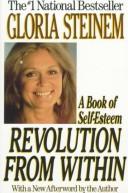
- If you liked Η κοινωνία του θεάματος, try Revolution from Within (Gloria Steinem), Discourses on Livy (Niccolò Machiavelli) and Talking to Strangers (Malcolm Gladwell).
A taste of the feed
How does a nation’s destiny hinge entirely upon the ego of its citizens?
I’ve learned from these events that self-esteem plays as much a part in the destiny of nations as it does in the lives of individuals; that self-hatred leads to the need either to dominate or to be dominated; that citizens who refuse to obey anything but their own conscience can transform their countries; in short, that self-esteem is the basis of any real democracy.
Revolution from Within · Gloria Steinem
We read strangers in seconds and call it understanding.
We think we can easily see into the hearts of others based on the flimsiest of clues. We jump at the chance to judge strangers. We would never do that to ourselves, of course. We are nuanced and complex and enigmatic. But the stranger is easy. If I can convince you of one thing in this book, let it be this: Strangers are not easy.
Talking to Strangers · Malcolm Gladwell
What is lost when nothing is allowed to stand between wanting and having.
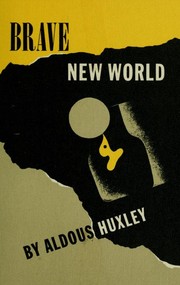
Impulse arrested spills over, and the flood is feeling, the flood is passion, the flood is even madness: it depends on the force of the current, the height and strength of the barrier. The unchecked stream flows smoothly down its appointed channels into a calm well-being. (The embryo is hungry; day in, day out, the blood-surrogate pump unceasingly turns its eight hundred revolutions a minute. The decanted infant howls; at once a nurse appears with a bottle of external secretion. Feeling lurks in that interval of time between desire and its consummation. Shorten that interval, break down all those old unnecessary barriers.
Brave New World · Aldous Huxley
Read pages from books like this, one at a time
Keep reading in the feed