
Η Ιλιάδα όπως την αφηγούνται οι θεές
Μαριλου Ολιβα, 2023
The Trojan War as told by the goddesses who watched it: power, sacrifice and the price of being mortal. The war feels close and lyrical, driven by goddess voices that mix awe, power and a stark sense of mortal cost.
Feels like awe and serenity. About war, power and freedom.
Who it’s for
You may like it if you enjoy retellings that shift the Trojan War to divine female perspectives and don't mind a dramatic, lyrical tone. The Greek prose is literary and occasionally dense, and keeping the many gods and fighters straight takes attention.
Why read it
It offers a fresh angle on the Trojan War: the goddesses' voices make power, sacrifice and mortality feel immediate, and the lyrical telling gives familiar events a different weight.
A page from the book
A god descends to punish, and the darkness he brings is an argument.
Ο θείος τοξότης έχει δει τη σκηνή από τον Όλυμπο. Είναι εξοργισμένος, πρέπει να ξεπλύνει αυτή την ντροπή. Περνά στον ώμο το τόξο και την ασημένια φαρέτρα του, σε κάθε κίνησή του κροταλίζουν τα βέλη, ενώ κατεβαίνει σκεπτόμενος την τιμωρία του, σκοτεινός σαν αδίκημα, ίδιος με τη νύχτα. Μαριλου Ολιβα.Marilù Oliva teaches Italian literature in Bologna and has written a study of women in the Iliad; here she hands the story to the goddesses.
Books that feel like this




Where to get it
Some of these links earn us a small commission, at no cost to you. It keeps BookFeed free.
Questions readers ask
- Is Η Ιλιάδα όπως την αφηγούνται οι θεές for me?
- You may like it if you enjoy retellings that shift the Trojan War to divine female perspectives and don't mind a dramatic, lyrical tone. The Greek prose is literary and occasionally dense, and keeping the many gods and fighters straight takes attention.
- What is Η Ιλιάδα όπως την αφηγούνται οι θεές like?
- The war feels close and lyrical, driven by goddess voices that mix awe, power and a stark sense of mortal cost. Feels like awe and serenity. About war, power and freedom.
- What should I read after Η Ιλιάδα όπως την αφηγούνται οι θεές?
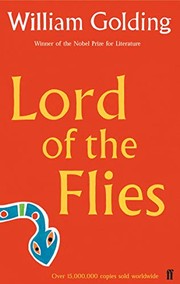
- If you liked Η Ιλιάδα όπως την αφηγούνται οι θεές, try Riders of the Purple Sage (Zane Grey), Lord of the Flies (William Golding) and The Return of the King (J.R.R. Tolkien).
A taste of the feed
A wind that carries every love story ever told.
Always it brought softly to him strange, sweet tidings of far-off things. It blew from a place that was old and whispered of youth. It blew down the grooves of time. It brought a story of the passing hours. It breathed low of fighting men and praying women. It sang clearly the song of love. That ever was the burden of its tidings—youth in the shady woods, waders through the wet meadows, boy and girl at the hedgerow stile, bathers in the booming surf, sweet, idle hours on grassy, windy hills, long strolls down moonlit lanes—everywhere in far-off lands, fingers locked and bursting hearts and longing lips—from all the world tidings of unquenchable love.
Riders of the Purple Sage · Zane Grey
What a single star can do to someone at the end of their strength.
There, peeping among the cloud-wrack above a dark tor high up in the mountains, Sam saw a white star twinkle for a while. The beauty of it smote his heart, as he looked up out of the forsaken land, and hope returned to him. For like a shaft, clear and cold, the thought pierced him that in the end the Shadow was only a small and passing thing: there was light and high beauty for ever beyond its reach.
The Return of the King · J.R.R. Tolkien
He has no comfort to give her except the shape of what is coming.
So speaking, to the arms of his dear spouse He gave the boy; she on her fragrant breast Received him, weeping as she smiled. The chief Beheld, and, moved with tender pity, smoothed Her forehead gently with his hand and said:— “Sorrow not thus, beloved one, for me. No living man can send me to the shades Before my time; no man of woman born, Coward or brave, can shun his destiny. But go thou home, and tend thy labors there— The web, the distaff—and command thy maids To speed the work: The cares of war pertain To all men born in Troy, and most to me.”
The Iliad · Homer
Read pages from books like this, one at a time
Keep reading in the feed