
Fear and Loathing in Las Vegas
Hunter S. Thompson, 1971
Graphic novels & humour Contemporary fictionLiterary fiction
A drug-soaked road trip into the wreckage of the 1960s, where the American Dream is chased with a trunk full of chemicals and a notebook. A frantic, chemically charged ride with a sharp aphoristic voice, lurching between dread and dark comedy as memory and time blur.
Feels like dread, awe and melancholy. About power, memory and time.
Who it’s for
You may like it if you enjoy road-trip narratives with a caustic, aphoristic narrator and dark humour about American excess. The relentless drug use and frantic, chemically fuelled prose can make long stretches feel exhausting rather than comic.
Why read it
It catches the hangover after the 1960s with aphoristic bite, giving you a vivid, uneasy sense of a dream curdling into excess and dread.
A page from the book
A rule for surviving rooms where everyone is already guilty.
In a closed society where everybody’s guilty, the only crime is getting caught. In a world of thieves, the only final sin is stupidity. Hunter S. Thompson.Thompson ran for sheriff of Aspen in 1970 on a 'Freak Power' ticket, proposing to rename the town 'Fat City' and tear up the streets.
Books that feel like this
Where to get it
Some of these links earn us a small commission, at no cost to you. It keeps BookFeed free.
Questions readers ask
- Is Fear and Loathing in Las Vegas for me?
- You may like it if you enjoy road-trip narratives with a caustic, aphoristic narrator and dark humour about American excess. The relentless drug use and frantic, chemically fuelled prose can make long stretches feel exhausting rather than comic.
- What is Fear and Loathing in Las Vegas like?
- A frantic, chemically charged ride with a sharp aphoristic voice, lurching between dread and dark comedy as memory and time blur. Feels like dread, awe and melancholy. About power, memory and time.
- What should I read after Fear and Loathing in Las Vegas?
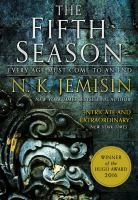
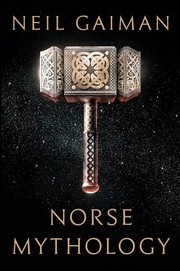
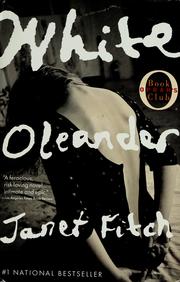
- If you liked Fear and Loathing in Las Vegas, try The Fifth Season (N.K. Jemisin), Norse Mythology (Neil Gaiman) and White Oleander (Janet Fitch).
A taste of the feed
She doesn't hate him for being powerful. She hates him for being honest.
This is why she hates Alabaster: not because he is more powerful, not even because he is crazy, but because he refuses to allow her any of the polite fictions and unspoken truths that have kept her comfortable, and safe, for years.
The Fifth Season · N.K. Jemisin
The end of everything, told without a single note of consolation.
Nothing will remain of the armies of the living and of the dead, of the dreams of the gods and the bravery of their warriors, nothing but ash. Soon after, the swollen ocean will swallow the ashes as it washes across all the land, and everything living will be forgotten under the sunless sky. That is how the worlds will end, in ash and flood, in darkness and in ice. That is the final destiny of the gods.
Norse Mythology · Neil Gaiman
Hatred, praise. Love, suspicion. Love, humiliation.
Isn’t it funny. I’m enjoying my hatred so much more than I ever enjoyed love. Love is temperamental. Tiring. It makes demands. Love uses you, changes its mind. But hatred, now, that’s something you can use. Sculpt. Wield. It’s hard, or soft, however you need it. Love humiliates you, but Hatred cradles you.
White Oleander · Janet Fitch
Read pages from books like this, one at a time
Keep reading in the feed