
The Remains of the Day
Kazuo Ishiguro, 1989
Historical fiction Literary fictionContemporary fiction
A butler's motoring holiday becomes a quiet reckoning with duty, dignity and a life spent not saying what he felt. A restrained, melancholy voice carries you through old memories and a slow motoring journey, with longing and tenderness beneath the surface.
Feels like longing, melancholy and tenderness. About memory and love.
Who it’s for
You may like it if you enjoy quiet, reflective novels about memory, duty and missed chances. The pace is unhurried and much is left unsaid, so it asks for patience with a restrained, interior voice.
Why read it
It offers a quiet look at dignity, duty and what a person avoids saying, and the prose rewards attention with feeling held just below the surface.
A page from the book
What a seaside crowd can make you admit about your own regrets.
It is now some twenty minutes since the man left, but I have remained here on this bench to await the event that has just taken place – namely, the switching on of the pier lights. As I say, the happiness with which the pleasure-seekers gathering on this pier greeted this small event would tend to vouch for the correctness of my companion’s words; for a great many people, the evening is the most enjoyable part of the day. Perhaps, then, there is something to his advice that I should cease looking back so much, that I should adopt a more positive outlook and try to make the best of what remains of my day. After all, what can we ever gain in forever looking back and blaming ourselves if our lives have not turned out quite as we might have wished? Kazuo Ishiguro.Ishiguro has said he wrote the first draft of The Remains of the Day in four weeks, keeping to a strict daily routine.
Books that feel like this




More by Kazuo Ishiguro
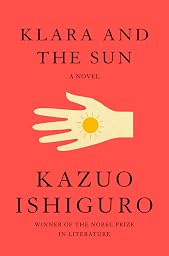
Klara and the Sun
Kazuo Ishiguro, 2021
An artificial friend watches a child and the people who love her, trying to learn what makes a person singular—and whether love can be copied.

Never Let Me Go
Kazuo Ishiguro, 2005
A carer looks back on her English boarding-school childhood and the two friends she has loved since, in a world whose rules she never thinks to question.
Where to get it
Some of these links earn us a small commission, at no cost to you. It keeps BookFeed free.
Questions readers ask
- Is The Remains of the Day for me?
- You may like it if you enjoy quiet, reflective novels about memory, duty and missed chances. The pace is unhurried and much is left unsaid, so it asks for patience with a restrained, interior voice.
- What is The Remains of the Day like?
- A restrained, melancholy voice carries you through old memories and a slow motoring journey, with longing and tenderness beneath the surface. Feels like longing, melancholy and tenderness. About memory and love.
- What should I read after The Remains of the Day?
- If you liked The Remains of the Day, try The Notebook (Nicholas Sparks), Say You'll Remember Me (Abby Jimenez) and Norwegian Wood (Haruki Murakami).
A taste of the feed
The case for a small life, made by a man who has lived one.
I am nothing special; of this I am sure. I am a common man with common thoughts, and I’ve led a common life. There are no monuments dedicated to me and my name will soon be forgotten, but I’ve loved another with all my heart and soul, and to me, this has always been enough.
The Notebook · Nicholas Sparks
The friend who names what you're about to throw away
None of this matters. None of it. It’s just stuff. You can build another clinic somewhere else, but that? What you have with her? That is not easy to find. The universe doesn’t just hand out true love. And I know that’s what this is because I see you’re willing to kill yourself over it. So if you have that, if you’re one of the lucky ones, why in God’s green earth would you give it up?
Say You'll Remember Me · Abby Jimenez
What a house becomes when no one has been living in it.
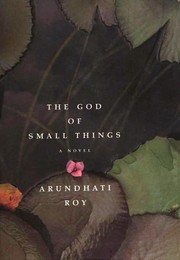
“It was raining when Rahel came back to Ayemenem. Slanting silver ropes slammed into loose earth, plowing it up like gunfire. The old house on the hill wore its steep, gabled roof pulled over its ears like a low hat. The walls, streaked with moss, had grown soft, and bulged a little with dampness that seeped up from the ground. The wild, overgrown garden was full of the whisper and scurry of small lives. In the undergrowth a rat snake rubbed itself against a glistening stone. Hopeful yellow bullfrogs cruised the scummy pond for mates. A drenched mongoose flashed across the leaf strewn driveway.
The God of Small Things · Arundhati Roy
Read pages from books like this, one at a time
Keep reading in the feed