
The Parsifal Mosaic
Robert Ludlum, 1982
★ 3.86 from 8.7k ratings on Goodreads
A CIA officer in Prague watches a woman he loves walk into a secret-police trap—and cannot decide whether she is a killer or a pawn. A tense, globe-trotting espionage story with a wary, power-conscious voice and long stretches of intricate plotting.
Feels like unease, curiosity and joy. About society, adventure and power.
Who it’s for
You may like it if you enjoy Cold War-era spy novels full of international travel, secret operations, and characters caught between love and suspicion. Be warned that many readers find the plot convoluted and the prose wordy, so it can demand patience.
Why read it
It offers a tense look at loyalty, fear, and state power, with a Prague-set opening that pulls you into the story's moral uncertainty.
A page from the book
Fear arrives as memory before it arrives as danger.
There was no break, no hesitation. She was carrying it off . . . carrying it out! They had done it! Suddenly he felt a jolt of pain in his chest; he knew what it was. Fear. Pure, raw, sickening fear. He was remembering—memories within memories. As he watched her his mind went back to a city in rubble, to the terrible sounds of mass execution. Lidice. And a child—one of many children—scurrying through the billowing gray smoke of burning debris, carrying messages and pockets full of plastic explosives. One break, one hesitation, then . . . history. What readers say
Readers were captivated by the international intrigue and thrilling espionage. Conversely, a significant portion of the audience found the narrative overly complex, convoluted, and excessively wordy.
Robert Ludlum.Robert Ludlum worked as an actor and theatrical producer before turning to thrillers; The Parsifal Mosaic appeared in 1982, two years after The Bourne Identity.
Books that feel like this

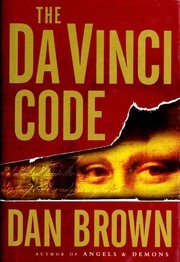


More by Robert Ludlum
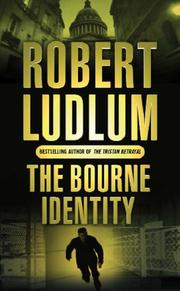
The Bourne Identity
Robert Ludlum, 1980
Shot off a trawler into a Mediterranean storm, a man surfaces with no memory — and a set of skills and enemies he cannot explain.
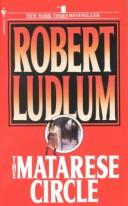
The Matarese Circle
Robert Ludlum, 1979
Two rival spies are forced into an uneasy alliance when a shadowy conspiracy turns both their agencies against them.
The Aquitaine Progression
Robert Ludlum, 1981
In a world where corporate power intersects with global intrigue, a clever strategist finds that his most critical asset is the memory of a haunted past.
Where to get it
Some of these links earn us a small commission, at no cost to you. It keeps BookFeed free.
Questions readers ask
- Is The Parsifal Mosaic for me?
- You may like it if you enjoy Cold War-era spy novels full of international travel, secret operations, and characters caught between love and suspicion. Be warned that many readers find the plot convoluted and the prose wordy, so it can demand patience.
- What is The Parsifal Mosaic like?
- A tense, globe-trotting espionage story with a wary, power-conscious voice and long stretches of intricate plotting. Feels like unease, curiosity and joy. About society, adventure and power.
- What should I read after The Parsifal Mosaic?
- If you liked The Parsifal Mosaic, try Seven Days in May (Fletcher Knebel), The Da Vinci Code (Dan Brown) and Scruples (Judith Krantz).
A taste of the feed
A handful of men can stop the government from falling off a monument.
All you’ve got to know is this: right now the government of the United States is sitting on top of the Washington Monument, right on the very point, tilting right and left and ready to fall off and break up on the pavement. There are just a handful of men that can prevent it. And you’re one of them.
Seven Days in May · Fletcher Knebel
The mirror is honest even when your colleagues are kind.
Langdon had little doubt. His books on religious paintings and cult symbology had made him a reluctant celebrity in the art world, and last year Langdon’s visibility had increased a hundred-fold after his involvement in a widely publicized incident at the Vatican. Since then, the stream of self-important historians and art buffs arriving at his door had seemed never-ending.
The Da Vinci Code · Dan Brown
No photograph has ever caught the version of you that walks into a room.
Since her twenty-first birthday Billy had been photographed many hundreds of times, but newspaper pictures had never quite caught her challenging reality. Her long, dark hair, the deep brown of the best mink, so brown that it looked like black licked by moonlight, was thrust behind her ears, in which she always wore her signature jewels, the great eleven-karat diamonds known as the Kimberley Twins, which had been her wedding present from her first husband, Ellis Ikehorn.
Scruples · Judith Krantz
Read pages from books like this, one at a time
Keep reading in the feed