
The Bourne Identity
Robert Ludlum, 1980
★ 4.05 from 444.7k ratings on Goodreads
Shot off a trawler into a Mediterranean storm, a man surfaces with no memory — and a set of skills and enemies he cannot explain. A cold, disoriented thriller that moves through panic and dread while a man pieces together skills, memory and a family he cannot place.
Feels like dread, tenderness and nostalgia. About identity, memory and family.
Who it’s for
You may like it if you enjoy amnesia-driven spy stories and don't mind being dropped into confusion alongside the protagonist. The opening chapters lean hard on physical panic and disorientation, so the early reading can feel as unsettled as the hero's mind.
Why read it
It offers a tense, grounded look at identity and memory, with a protagonist whose unexplained competence keeps you reading to see what he will do next.
A page from the book
The uncanny peace that can arrive in the middle of drowning.
And there was heat, a strange moist heat at his temple that seared through the freezing water that kept swallowing him, a fire where no fire should burn. There was ice, too; an icelike throbbing in his stomach and his legs and his chest, oddly warmed by the cold sea around him. He felt these things, acknowledging his own panic as he felt them. He could see his own body turning and twisting, arms and feet working frantically against the pressures of the whirlpool. He could feel, think, see, perceive panic and struggle—yet strangely there was peace. It was the calm of the observer, the uninvolved observer, separated from the events, knowing of them but not essentially involved. Robert Ludlum.Ludlum spent years acting and producing in the theatre before turning to thrillers in his forties; his first novels appeared under the pen names Jonathan Ryder and Michael Shepherd.
Books that feel like this


More by Robert Ludlum
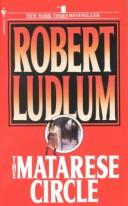
The Matarese Circle
Robert Ludlum, 1979
Two rival spies are forced into an uneasy alliance when a shadowy conspiracy turns both their agencies against them.
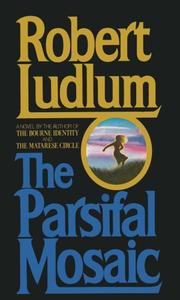
The Parsifal Mosaic
Robert Ludlum, 1982
A CIA officer in Prague watches a woman he loves walk into a secret-police trap—and cannot decide whether she is a killer or a pawn.
The Aquitaine Progression
Robert Ludlum, 1981
In a world where corporate power intersects with global intrigue, a clever strategist finds that his most critical asset is the memory of a haunted past.
Where to get it
Some of these links earn us a small commission, at no cost to you. It keeps BookFeed free.
Questions readers ask
- Is The Bourne Identity for me?
- You may like it if you enjoy amnesia-driven spy stories and don't mind being dropped into confusion alongside the protagonist. The opening chapters lean hard on physical panic and disorientation, so the early reading can feel as unsettled as the hero's mind.
- What is The Bourne Identity like?
- A cold, disoriented thriller that moves through panic and dread while a man pieces together skills, memory and a family he cannot place. Feels like dread, tenderness and nostalgia. About identity, memory and family.
- What should I read after The Bourne Identity?
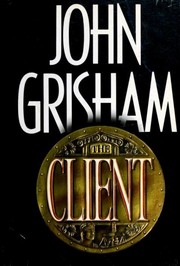
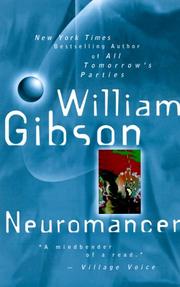
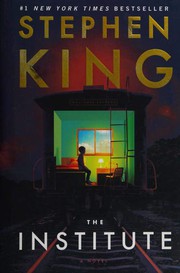
- If you liked The Bourne Identity, try The Client (John Grisham), Neuromancer (William Gibson) and The Institute (Stephen King).
A taste of the feed
The most dangerous people are the ones who sigh at bad news.
There was a perfunctory knock at the door, and then Rosalind stuck her head in, looking apologetic. “I’m sorry to disturb you, ma’am, but it’s Fred Clark, asking to see you. He seems-” “Refresh me. Who is Fred Clark?” Mrs. Sigsby took off her reading glasses and rubbed the sides of her nose. “One of the janitors.” “Find out what he wants and tell me later. If we’ve got mice chewing the wiring again, it can wait. I’m busy.” “He says it’s important, and he seems extremely upset.” Mrs. Sigsby sighed, closed the folder, and put it in a drawer. “All right, send him in. But this had better be good.” It wasn’t. It was bad. Very.
The Institute · Stephen King
The photograph you can no longer explain.
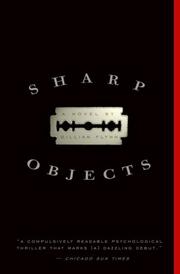
On the table by the door sat a photo of a preteen me holding Marian at about age seven. We’re both laughing. She has her eyes wide open in surprise, I have mine scrunched shut. I’m squeezing her into me, her short skinny legs dangling over my knees. I can’t remember the occasion or what we were laughing about. Over the years it’s become a pleasant mystery. I think I like not knowing.
Sharp Objects · Gillian Flynn
The night has no floor. There is only the sound of your own thoughts.
I come dragging in with every muscle bruised inside and out, but my heart’s still racing and my thoughts are a tornado in my head. This is insomnia. All night, your thoughts are on the air. All night long, you’re thinking: Am I asleep? Have I slept?
Fight Club · Chuck Palahniuk
Read pages from books like this, one at a time
Keep reading in the feed