
The Lion, the Witch and the Wardrobe
C.S. Lewis, 1950
Fantasy Young adultScience fictionReligion & spirituality
Four children walk through the back of a wardrobe into a country locked in endless winter, where the animals talk and a lion is expected. Snow, lamplight and talking beasts give it a plain, wide-eyed voice, and the pace is a brisk walk into cold air.
Feels like wonder, awe and nostalgia. About freedom, faith and war.
Who it’s for
You may enjoy it if you like wintry fairy tales, talking animals, and a clear struggle between good and evil. The openly Christian allegory and mid-century children's-book voice may feel pointed or old-fashioned if you want something neutral and modern.
Why read it
It offers a compact, vivid escape into a winter world where courage and loyalty are tested, and its picture-book clarity makes it easy to return to.
A page from the book
There is an age for fairy tales, and it comes after childhood.
I wrote this story for you, but when I began it I had not realized that girls grow quicker than books. As a result you are already too old for fairy tales, and by the time it is printed and bound you will be older still. But some day you will be old enough to start reading fairy tales again. You can then take it down from some upper shelf, dust it, and tell me what you think of it. I shall probably be too deaf to hear, and too old to understand a word you say, but I shall still be your affectionate Godfather, C. S. Lewis. C.S. Lewis.Narnia began with a single picture Lewis had carried since he was about sixteen: a faun standing in a snowy wood with an umbrella and parcels.
Books that feel like this
More by C.S. Lewis
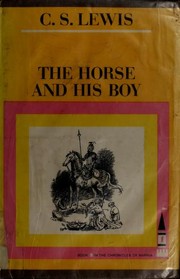
The Horse and His Boy
C.S. Lewis, 1954
A boy and a talking horse flee slavery in the south and ride north through desert cities and mountain passes, toward a lion they cannot outrun.
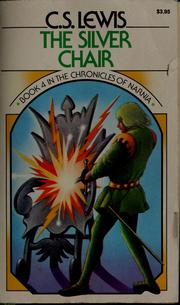
The Silver Chair
C.S. Lewis, 1953
Two children descend into an underground kingdom to rescue a prince, armed with four signs and very little courage.
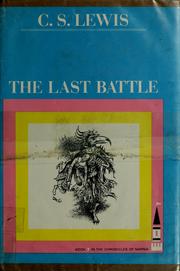
The Last Battle
C.S. Lewis, 1956
Narnia's last days: an ape, a donkey, a false Aslan, and a handful of creatures deciding what they still believe.
Where to get it
Some of these links earn us a small commission, at no cost to you. It keeps BookFeed free.
Questions readers ask
- Is The Lion, the Witch and the Wardrobe for me?
- You may enjoy it if you like wintry fairy tales, talking animals, and a clear struggle between good and evil. The openly Christian allegory and mid-century children's-book voice may feel pointed or old-fashioned if you want something neutral and modern.
- What is The Lion, the Witch and the Wardrobe like?
- Snow, lamplight and talking beasts give it a plain, wide-eyed voice, and the pace is a brisk walk into cold air. Feels like wonder, awe and nostalgia. About freedom, faith and war.
- What should I read after The Lion, the Witch and the Wardrobe?
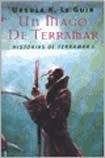
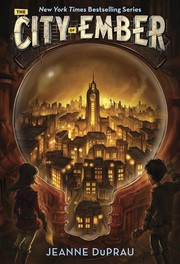
- If you liked The Lion, the Witch and the Wardrobe, try A Wizard of Earthsea (Ursula K. Le Guin), The City of Ember (Jeanne DuPrau) and The Fellowship of the Ring (J.R.R. Tolkien).
A taste of the feed
The oldest rule of magic is a warning about unintended consequences.
You must not change one thing, one pebble, one grain of sand, until you know what good and evil will follow on that act. The world is in balance, in Equilibrium. A wizard’s power of Changing and Summoning can shake the balance of the world. It is dangerous, that power. It is most perilous. It must follow knowledge, and serve need. To light a candle is to cast a shadow.
A Wizard of Earthsea · Ursula K. Le Guin
A city lit entirely by lamps, and the dark it can't explain.
In the city of Ember, the sky was always dark. The only light came from great floodlamps mounted on the buildings and at the tops of poles in the middle of the larger squares. When the lights were on, they cast a yellowish glow over the streets; people walking by threw long shadows that shortened and then stretched out again. When the lights were off, as they were between nine at night and six in the morning, the city was so dark that people might as well have been wearing blindfolds.
The City of Ember · Jeanne DuPrau
What to do when the times arrive uninvited.
‘I wish it need not have happened in my time,’ said Frodo. ‘So do I,’ said Gandalf, ‘and so do all who live to see such times. But that is not for them to decide. All we have to decide is what to do with the time that is given us. ‘What a pity that Bilbo did not stab that vile creature, when he had a chance!’ ‘Pity? It was Pity that stayed his hand. Pity, and Mercy: not to strike without need. And he has been well rewarded, Frodo. Be sure that he took so little hurt from the evil, and escaped in the end, because he began his ownership of the Ring so. With Pity.’
The Fellowship of the Ring · J.R.R. Tolkien
Read pages from books like this, one at a time
Keep reading in the feed