
The Life-Changing Magic of Tidying Up
Marie Kondō, 2011
A Japanese organizing consultant's case that tidying is not housework but a decision about how you want to live, made one object at a time. Plain, hopeful and a little brisk: one woman's calm case for sorting possessions by a simple feeling, with memories surfacing as you go.
Feels like hope and curiosity. About home, identity and memory.
Who it’s for
You may like it if you want a practical, reflective way to rethink what you keep and why. The method asks you to pick up every item and judge it by feeling, which can feel repetitive or emotionally tiring if you own a lot.
Why read it
It offers a clear, gentle test for deciding what stays, and ties those small choices to how you want to live.
A page from the book
Not usefulness, not guilt, not the price you paid. A feeling in the hand.
The best way to choose what to keep and what to throw away is to take each item in one’s hand and ask: “Does this spark joy?” If it does, keep it. If not, dispose of it. This is not only the simplest but also the most accurate yardstick by which to judge. Marie Kondō.Kondō began reading home and lifestyle magazines at five, and spent five years as a Shinto shrine maiden before organizing professionally.
Books that feel like this

Where to get it
Some of these links earn us a small commission, at no cost to you. It keeps BookFeed free.
Questions readers ask
- Is The Life-Changing Magic of Tidying Up for me?
- You may like it if you want a practical, reflective way to rethink what you keep and why. The method asks you to pick up every item and judge it by feeling, which can feel repetitive or emotionally tiring if you own a lot.
- What is The Life-Changing Magic of Tidying Up like?
- Plain, hopeful and a little brisk: one woman's calm case for sorting possessions by a simple feeling, with memories surfacing as you go. Feels like hope and curiosity. About home, identity and memory.
- What should I read after The Life-Changing Magic of Tidying Up?
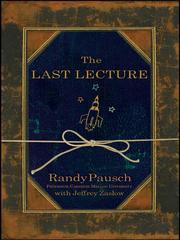
- If you liked The Life-Changing Magic of Tidying Up, try Atomic Habits (James Clear), The 7 Habits of Highly Effective People (Stephen R. Covey) and The Last Lecture (Randy Pausch).
A taste of the feed
A few degrees at takeoff, a different city entirely.
The impact created by a change in your habits is similar to the effect of shifting the route of an airplane by just a few degrees. Imagine you are flying from Los Angeles to New York City. If a pilot leaving from LAX adjusts the heading just 3.5 degrees south, you will land in Washington, D.C., instead of New York. Such a small change is barely noticeable at takeoff—the nose of the airplane moves just a few feet—but when magnified across the entire United States, you end up hundreds of miles apart.
Atomic Habits · James Clear
The silence after you stop being corrected is not kindness.
He said, when you’re screwing up and nobody’s saying anything to you anymore, that means they gave up. And that’s a lesson that stuck with me my whole life. Is that when you see yourself doing something badly and nobody’s bothering to tell you anymore, that’s a very bad place to be. Your critics are your ones telling you they still love you and care.
The Last Lecture · Randy Pausch
What an apology can build after it has arrived too late.
You were my child. I should have protected you. I lived a lifetime in the moment I read those lines, a life that was not the one I had actually lived. I became a different person, who remembered a different childhood. I didn’t understand the magic of those words then, and I don’t understand it now. I know only this: that when my mother told me she had not been the mother to me that she wished she’d been, she became that mother for the first time.
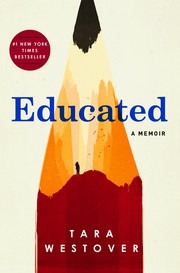
Educated · Tara Westover
Read pages from books like this, one at a time
Keep reading in the feed