
The House of Mirth
Edith Wharton (1862–1937), 1905
★ 3.98 from 110k ratings on Goodreads
A beautiful woman with no money navigates New York drawing rooms where charm is capital and every kindness arrives with an invoice. Wharton's sharpest, saddest social novel. Wharton's prose moves with cool, satirical poise through glittering rooms, while a quiet sense of dread gathers beneath the wit.
Feels like wonder and dread. About society, love and death.
Who it’s for
You may like it if you enjoy sharp social comedy, elegant dialogue, and watching character exposed through manners. The novel's bleak view of money and marriage, plus Wharton's dense, ironic sentences, can make it a slow and somber read.
Why read it
Read it for Wharton's exact eye for how charm, debt, and social obligation work on a person, and for a story that stays clear-eyed about the cost of belonging.
Pages from the book
Seeing your own dinner party through a guest's eyes, and wishing you hadn't.
That was the secret of his way of readjusting her vision. Lily, turning her eyes from him, found herself scanning her little world through his retina: it was as though the pink lamps had been shut off and the dusty daylight let in. She looked down the long table, studying its occupants one by one, from Gus Trenor, with his heavy carnivorous head sunk between his shoulders, as he preyed on a jellied plover, to his wife, at the opposite end of the long bank of orchids, suggestive, with her glaring good-looks, of a jeweller’s window lit by electricity. And between the two, what a long stretch of vacuity! How dreary and trivial these people were! Some people dress for a life they never quite begin.
Mrs. Peniston was a small plump woman, with a colourless skin lined with trivial wrinkles. Her grey hair was arranged with precision, and her clothes looked excessively new and yet slightly old-fashioned. They were always black and tightly fitting, with an expensive glitter: she was the kind of woman who wore jet at breakfast. Lily had never seen her when she was not cuirassed in shining black, with small tight boots, and an air of being packed and ready to start; yet she never started. The invoice that comes due after years of other people's hospitality.
“What things? Well, poverty, for one—and I don’t know any that’s more dreadful.” Lily turned away and sank with sudden weariness into the easy-chair near the tea-table. “You asked me just now if I could understand why Ned Silverton spent so much money. Of course I understand—he spends it on living with the rich. You think we live on the rich, rather than with them: and so we do, in a sense—but it’s a privilege we have to pay for! We eat their dinners, and drink their wine, and smoke their cigarettes, and use their carriages and their opera-boxes and their private cars—yes, but there’s a tax to pay on every one of those luxuries. Edith Wharton.Wharton's first book was not a novel but a manual on interior design, written with the architect Ogden Codman Jr. in 1897 — she knew exactly the rooms her characters are ruined in.
Books that feel like this
More by Edith Wharton
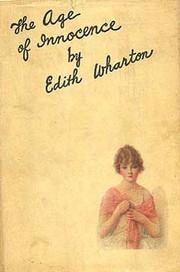
The Age of Innocence
Edith Wharton, 1920
A newly engaged lawyer in 1870s New York finds his tidy future unsettled when his fiancée’s cousin returns from Europe with a freedom he cannot name.
Ethan Frome
Edith Wharton, 1911
A stranded engineer in a snowbound New England village pieces together the story of a poor farmer, his invalid wife, and the young cousin who comes to keep house.
Where to get it
Some of these links earn us a small commission, at no cost to you. It keeps BookFeed free.
Questions readers ask
- Is The House of Mirth for me?
- You may like it if you enjoy sharp social comedy, elegant dialogue, and watching character exposed through manners. The novel's bleak view of money and marriage, plus Wharton's dense, ironic sentences, can make it a slow and somber read.
- What is The House of Mirth like?
- Wharton's prose moves with cool, satirical poise through glittering rooms, while a quiet sense of dread gathers beneath the wit. Feels like wonder and dread. About society, love and death.
- What should I read after The House of Mirth?
- If you liked The House of Mirth, try Short Fiction (Saki), The Housemaid (Freida McFadden) and Persuasion (Jane Austen).
A taste of the feed
The shortest possible answer to a question about books.
What do you like to read?” “Books.” “What kind of books?” “The kind with words.
The Housemaid · Freida McFadden
The particular loneliness of a room shared with someone you once loved.
They had no conversation together, no intercourse but what the commonest civility required. Once so much to each other! Now nothing! There had been a time, when of all the large party now filling the drawing-room at Uppercross, they would have found it most difficult to cease to speak to one another. With the exception, perhaps, of Admiral and Mrs. Croft, who seemed particularly attached and happy (Anne could allow no other exception even among the married couples), there could have been no two hearts so open, no tastes so similar, no feelings so in unison, no countenances so beloved. Now they were as strangers; nay, worse than strangers, for they could never become acquainted. It was a perpetual estrangement.
Persuasion · Jane Austen
To feel young and ancient at once, and find the day dangerous.
She would not say of anyone in the world now that they were this or were that. She felt very young; at the same time unspeakably aged. She sliced like a knife through everything; at the same time was outside, looking on. She had a perpetual sense, as she watched the taxi cabs, of being out, out, far out to sea and alone; she always had the feeling that it was very, very dangerous to live even one day.
Mrs. Dalloway · Virginia Woolf
Read pages from books like this, one at a time
Keep reading in the feed