
Πληγωμένοι θεραπευτές
Κε-Μινγκ Λιν, 2021
Brief lives of psychology’s pioneers reveal how personal wounds shaped the ideas that changed our understanding of the mind.
Feels like curiosity, hope and tenderness. About identity, madness and memory.
A page from the book
Care is not only what keeps us going; it is what we reach for in one another.
Και όμως, όσο πληγωμένοι και αν είμαστε, επιβιώνουμε. Επιβιώνουμε όχι μόνο λόγω της έμφυτής μας ικανότητας στην άρνηση και στο να καθησυχάζουμε τον εαυτό μας, αλλά, το πιο σημαντικό, επειδή δεν είμαστε μόνοι μας σε όλο αυτό και διότι νοιαζόμαστε ο ένας για τον άλλον. Είναι βαθιά ριζωμένο στη φύση μας –στα ίδια τα γονίδιά μας– να νοιαζόμαστε, να θέλουμε οι άνθρωποι γύρω μας να πονάνε λιγότερο, να αισθάνονται ασφαλείς, να νιώθουν πλήρεις. Με άλλα λόγια, έχουμε μέσα μας την παρόρμηση να θεραπεύουμε τους άλλους, και καταφεύγουμε στους άλλους για να κάνουν το ίδιο μ’ εμάς. Κε-Μινγκ Λιν.The Greek edition is translated by Vangelis Provias and published by Ikaros.
Books that feel like this

Where to get it
Some of these links earn us a small commission, at no cost to you. It keeps BookFeed free.
Questions readers ask
- What is Πληγωμένοι θεραπευτές like?
- Feels like curiosity, hope and tenderness. About identity, madness and memory.
- What should I read after Πληγωμένοι θεραπευτές?
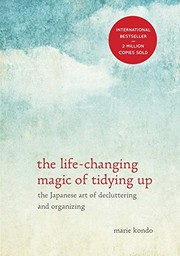
- If you liked Πληγωμένοι θεραπευτές, try The Tipping Point (Malcolm Gladwell), Atomic Habits (James Clear) and The Life-Changing Magic of Tidying Up (Marie Kondō).
A taste of the feed
We think friendship grows from shared beliefs; the data says shared calendars.
A study at the University of Utah found that if you ask someone why he is friendly with someone else, he’ll say it is because he and his friend share similar attitudes. But if you actually quiz the two of them on their attitudes, you’ll find out that what they actually share is similar activities. We’re friends with the people we do things with, as much as we are with the people we resemble. We don’t seek out friends, in other words. We associate with the people who occupy the same small, physical spaces that we do.
The Tipping Point · Malcolm Gladwell
A few degrees at takeoff, a different city entirely.
The impact created by a change in your habits is similar to the effect of shifting the route of an airplane by just a few degrees. Imagine you are flying from Los Angeles to New York City. If a pilot leaving from LAX adjusts the heading just 3.5 degrees south, you will land in Washington, D.C., instead of New York. Such a small change is barely noticeable at takeoff—the nose of the airplane moves just a few feet—but when magnified across the entire United States, you end up hundreds of miles apart.
Atomic Habits · James Clear
Not usefulness, not guilt, not the price you paid. A feeling in the hand.
The best way to choose what to keep and what to throw away is to take each item in one’s hand and ask: “Does this spark joy?” If it does, keep it. If not, dispose of it. This is not only the simplest but also the most accurate yardstick by which to judge.
The Life-Changing Magic of Tidying Up · Marie Kondō
Read pages from books like this, one at a time
Keep reading in the feed