
2001
Arthur C. Clarke, 1968
Science fiction Contemporary fictionLiterary fiction
A black slab buried on the Moon sends a signal toward Jupiter, and the crew sent to follow it must trust a computer that has begun to think for itself.
Feels like awe, curiosity and dread. About freedom.
A page from the book
The one thing no one can prepare for is the ordinary.
He was prepared, he thought, for any wonder. The only thing he had never expected was the utterly commonplace. Arthur C. Clarke.Clarke wrote the screenplay with Stanley Kubrick while the novel was still in progress; the film and book were released in the same year, 1968.
Books that feel like this
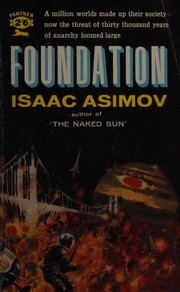
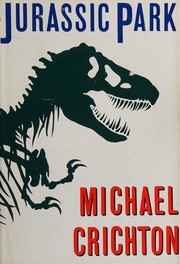
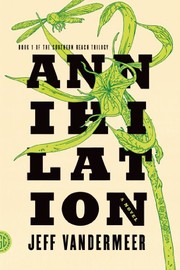
Where to get it
Some of these links earn us a small commission, at no cost to you. It keeps BookFeed free.
Questions readers ask
- What is 2001 like?
- Feels like awe, curiosity and dread. About freedom.
- What should I read after 2001?
- If you liked 2001, try Foundation (Isaac Asimov), And Then There Were None (Agatha Christie) and Jurassic Park (Michael Crichton).
A taste of the feed
What it feels like to wait for a whole planet to appear.
What Gaal was waiting for after the disappointment of the Jump was that first sight of Trantor. He haunted the View-room. The steel shutter-lids were rolled back at announced times and he was always there, watching the hard brilliance of the stars, enjoying the incredible hazy swarm of a star cluster, like a giant conglomeration of fireflies caught in mid-motion and stilled forever. At one time there was the cold, blue-white smoke of a gaseous nebula within five light years of the ship, spreading over the window like distant milk, filling the room with an icy tinge, and disappearing out of sight two hours later, after another Jump.
Foundation · Isaac Asimov
A house with no shadows at all, and every guest locking a door.
The others went upstairs, a slow unwilling procession. If this had been an old house, with creaking wood, and dark shadows, and heavily panelled walls, there might have been an eerie feeling. But this house was the essence of modernity. There were no dark corners - no possible sliding panels - it was flooded with electric light - everything was new and bright and shining. There was nothing hidden in this house, nothing concealed. It had no atmosphere about it. Somehow, that was the most frightening thing of all. They exchanged good-nights on the upper landing. Each of them went into his or her own room, and each of them automatically, almost without conscious thought, locked the door....
And Then There Were None · Agatha Christie
Every fence you build is a hypothesis about what cannot get through.
Because the history of evolution is that life escapes all barriers. Life breaks free. Life expands to new territories. Painfully, perhaps even dangerously. But life finds a way.
Jurassic Park · Michael Crichton
Read pages from books like this, one at a time
Keep reading in the feed