Coraline
Neil Gaiman, 2002
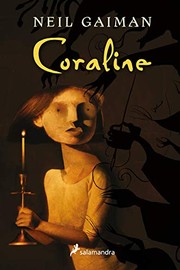
A girl discovers a door to a parallel home with a button-eyed mother who wants to keep her. A dark fairy tale about courage and wanting.
 BookFeed Ελληνικά
Gaiman's books tend to start in a familiar place, a house or a lane or a motel, and then let something old and strange through the door. «Coraline» is the shortest way in, a dark fairy tale about a girl, a door, and a mother with buttons for eyes; «The Ocean at the End of the Lane» is quieter, a man returning to a pond he knew as a child and to the year the ordinary world slipped. Both share that plain, unhurried voice and the sense that courage is a small, stubborn thing rather than a grand one.
Feels like memory, dread and wonder.
Start with Coraline.
Gaiman wrote Coraline for his daughter Holly, who was tired of stories where girls only looked at things.
A girl refuses everything she wants. What does that say about wanting?
I don’t want whatever I want. Nobody does. Not really. What kind of fun would it be if I just got everything I ever wanted just like that, and it didn’t mean anything? What then? Neil Gaiman, 2002
A girl discovers a door to a parallel home with a button-eyed mother who wants to keep her. A dark fairy tale about courage and wanting.
Neil Gaiman, 2001
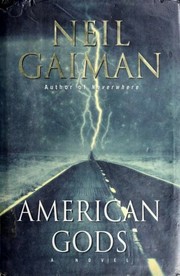
A newly released convict takes a job with a mysterious conman and discovers that old gods, brought to America by immigrants, are preparing for war with the new.
Neil Gaiman, 2013
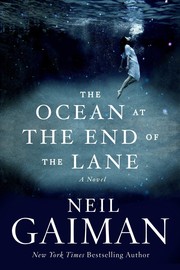
A man drives back to the pond at the end of his childhood lane, and remembers the year the ordinary world let something else through.
Neil Gaiman, 2017
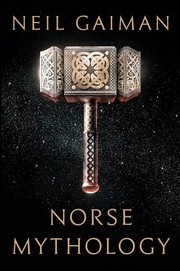
Neil Gaiman retells the Norse myths as a linked cycle: petty, powerful gods, a clever Loki, and a world that knows it is ending.
Read pages from books like this, one at a time
BookFeed is a feed of real passages from real books. It learns what moves you and finds your next book.
Open BookFeedFree, no sign-up.