Slaughterhouse-Five
Kurt Vonnegut, 1969
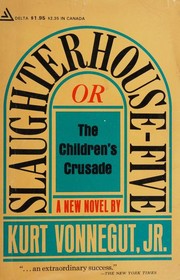
Vonnegut survived the Dresden firebombing and spent twenty-three years failing to write it straight — so he wrote it as science fiction, jokes and all.
 BookFeed Ελληνικά
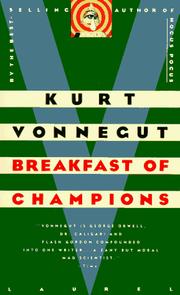
Kurt Vonnegut writes about catastrophe and failure with a straight face and a joke in the same sentence, and the result is oddly consoling rather than bleak. Slaughterhouse-Five mixes his own memories of Dresden with science fiction and plain jokes, and Breakfast of Champions lets a narrator walk into his own book to tell two lost men the truth. Start with either one; both show how he turns despair into something clear-eyed and humane.
Feels like society, humor and melancholy.
Start with Slaughterhouse-Five.
Vonnegut was a twenty-two-year-old POW in Dresden during the February 1945 firebombing and was later put on a work party sent into the cellars to recover bodies.
What if war is a glacier, and no book has ever moved one?
“You know what I say to people when I hear they’re writing anti-war books?”“No. What do you say, Harrison Starr?”“I say, ‘Why don’t you write an anti-glacier book instead?’”What he meant, of course, was that there would always be wars, that they were as easy to stop as glaciers. I believe that too.And even if wars didn’t keep coming like glaciers, there would still be plain old death. Kurt Vonnegut, 1969
Vonnegut survived the Dresden firebombing and spent twenty-three years failing to write it straight — so he wrote it as science fiction, jokes and all.
Kurt Vonnegut, 1973
A little-read science-fiction hack, a car dealer coming apart, and a narrator who walks into his own book to tell them both the truth.
Kurt Vonnegut, 1979
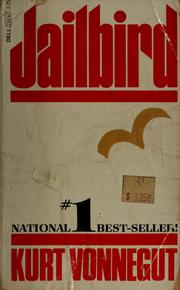
A Watergate-era ex-con drifts through American labor history and family failure, looking for a decent way to live.
Read pages from books like this, one at a time
BookFeed is a feed of real passages from real books. It learns what moves you and finds your next book.
Open BookFeedFree, no sign-up.