BookFeed English

Βιβλία σαν το «Τουσκουλανές διατριβές»

Αν σου έμεινε το «Τουσκουλανές διατριβές», αυτά τα βιβλία έχουν παρόμοια ατμόσφαιρα: ηθική, θάνατος και περιέργεια. Διάβασε ένα απόσπασμα από το καθένα για να δεις ποιο σου ταιριάζει.

Για το «Τουσκουλανές διατριβές» · Cicero

  1. 1.Ηθικές επιστολές στον Λουκίλιο

    Seneca, 65

    Κοινά στοιχεία: ηθική και περιέργεια. Ένας Ρωμαίος πολιτικός, προς το τέλος της ζωής του, γράφει σε έναν φίλο για το πώς να θέλει λιγότερα, να φοβάται λιγότερο τον θάνατο και να αξιοποιεί τις ώρες που έχει πραγματικά στη διάθεσή του.

    Pray, let us see to it, my dear Lucilius, that our lives, like jewels of great price, be noteworthy not because of their width but because of their weight. Let us measure them by their performance, not by their duration. Would you know wherein lies the difference between this hardy man who, despising Fortune, has served through every campaign of life and has attained to life’s Supreme Good, and that other person over whose head many years have passed? The former exists even after his death; the latter has died even before he was dead.
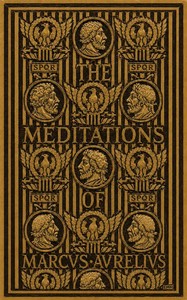
  2. 2.Τα εις εαυτόν

    Marcus Aurelius, 180

    Κοινά στοιχεία: γαλήνη και ηθική. Το ιδιωτικό τετράδιο ενός Ρωμαίου αυτοκράτορα, γραμμένο σε εκστρατεία. Σύντομες, κοφτές υπενθυμίσεις στον εαυτό του για τον θυμό, τον θάνατο και τη γνώμη των άλλων, που διαβάζονται σαν συμβουλές προς εσένα.

    ‘They kill me, they cut my flesh; they persecute my person with curses.’ What then? May not thy mind for all this continue pure, prudent, temperate, just? As a fountain of sweet and clear water, though she be cursed by some stander by, yet do her springs nevertheless still run as sweet and clear as before; yea though either dirt or dung be thrown in, yet is it no sooner thrown, than dispersed, and she cleared. She cannot be dyed or infected by it. What then must I do, that I may have within myself an overflowing fountain, and not a well? Beget thyself by continual pains and endeavours to true liberty with charity, and true simplicity and modesty.
  3. 3.Διάλογοι

    Plato, -347

    Κοινά στοιχεία: ηθική και περιέργεια. Μια βαθιά εξερεύνηση των ερωτημάτων που διαμορφώνουν τον πολιτισμό: τι είναι δικαιοσύνη και σοφία, και τι συμβαίνει στην ψυχή μετά τον θάνατο;

    Book VII. And now I will describe in a figure the enlightenment or unenlightenment of our nature:—Imagine human beings living in an underground den which is open towards the light; they have been there from childhood, having their necks and legs chained, and can only see into the den. At a distance there is a fire, and between the fire and the prisoners a raised way, and a low wall is built along the way, like the screen over which marionette players show their puppets. Behind the wall appear moving figures, who hold in their hands various works of art, and among them images of men and animals, wood and stone, and some of the passersby are talking and others silent. “A strange parable,” he said, “and strange captives.”
  4. 4.Δοκίμια

    Michel de Montaigne, 1580

    Κοινά στοιχεία: περιέργεια και ηθική. Ένας ευγενής του 16ου αιώνα εξετάζει τη φιλία, τον θάνατο, τα έθιμα και τις πέτρες στα νεφρά του, χρησιμοποιώντας τον εαυτό του ως απόδειξη. Διαβάζεται σαν μια μακρά, έξυπνη κουβέντα μ’ έναν ειλικρινή φίλο.

    ‘Tis wonderful from how many idle beginnings and frivolous causes such famous impressions commonly, proceed. This it is that obstructs information; for whilst we seek out causes and solid and weighty ends, worthy of so great a name, we lose the true ones; they escape our sight by their littleness. And, in truth, a very prudent, diligent, and subtle inquisition is required in such searches, indifferent, and not prepossessed. To this very hour, all these miracles and strange events have concealed themselves from me: I have never seen greater monster or miracle in the world than myself: one grows familiar with all strange things by time and custom, but the more I frequent and the better I know myself, the more does my own deformity astonish me, the less I understand myself.
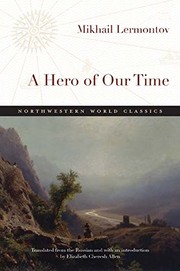
  5. 5.Ήρωας του καιρού μας

    Mikhail Lermontov, 1840

    Κοινά στοιχεία: ηθική και περιέργεια. Ένας ανιαρός νεαρός αξιωματικός περιφέρεται στον Καύκασο, γοητεύοντας και καταστρέφοντας όσους συναντά, σε ένα μυθιστόρημα που γέννησε τον σύγχρονο αντιήρωα.

    The blind boy did not pick it up. Yanko took his seat in the boat; the wind was blowing from the shore; they hoisted the little sail and sped rapidly away. For a long time the white sail gleamed in the moonlight amid the dark waves. Still the blind boy remained seated upon the shore, and then I heard something which sounded like sobbing. The blind boy was, in fact, weeping, and for a long, long time his tears flowed... I grew heavy-hearted. For what reason should fate have thrown me into the peaceful circle of honourable smugglers? Like a stone cast into a smooth well, I had disturbed their quietude, and I barely escaped going to the bottom like a stone.
  6. 6.Έγκλημα στον Νείλο

    Agatha Christie, 1937

    Κοινά στοιχεία: περιέργεια και γαλήνη. Μια κρουαζιέρα στον Νείλο, ένας μήνας του μέλιτος και ένας φόνος ανάμεσα σε αγνώστους που έχουν όλοι κάποιο κίνητρο. Ο Πουαρό, σε διακοπές, πρέπει να ξεμπλέξει ένα κουβάρι ζήλιας πριν δέσει το πλοίο.

    Once I went professionally to an archaeological expedition—and I learnt something there. In the course of an excavation, when something comes up out of the ground, everything is cleared away very carefully all around it. You take away the loose earth, and you scrape here and there with a knife until finally your object is there, all alone, ready to be drawn and photographed with no extraneous matter confusing it. That is what I have been seeking to do—clear away the extraneous matter so that we can see the truth—the naked shining truth.
    Απόσπασμα από το «Έγκλημα στον Νείλο», Agatha Christie, William Morrow Paperbacks 1937. Παρατίθεται για να γνωρίσεις το βιβλίο. Πηγή Δικαιώματα και αφαιρέσεις
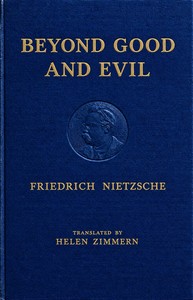
  7. 7.Πέρα από το καλό και το κακό

    Friedrich Nietzsche, 1886

    Κοινά στοιχεία: περιέργεια και ηθική. Μια αιχμηρή περιήγηση στις συνήθειες του μυαλού που θεωρούμε δεδομένες: γιατί οι φιλόσοφοι λένε ψέματα στον εαυτό τους, τι κρύβουν τα ήθη μας και τι χρειάζεται για να σκέφτεσαι χωρίς να κολακεύεις τον εαυτό σου.

  8. 8.Εγχειρίδιο

    Epictetus, 125

    Κοινά στοιχεία: γαλήνη και ηθική. Ένα στωικό εγχειρίδιο τσέπης, με περίπου πενήντα σύντομους κανόνες για να μένεις σταθερός όταν οι άνθρωποι, η τύχη και οι δικές σου επιθυμίες σε παρασύρουν. Κάθε σελίδα μπορεί να δοκιμαστεί σε μια δύσκολη μέρα.

  9. 9.Τα δοκίμια

    Francis Bacon, 1597

    Κοινά στοιχεία: περιέργεια και ηθική. Πυκνά, σφιχτοδεμένα δοκίμια για την εκδίκηση, τη φιλία, τον πλούτο, τη φιλοδοξία και τον φόβο, γραμμένα σαν σημειώσεις ενός επιδέξιου συμβούλου. Κάθε σελίδα χωράει μια ζωή πρακτικής παρατήρησης σε λίγες κοφτερές φράσεις.

  10. 11.Ο Τετράρχης

    Niccolò Machiavelli, 1532

    Κοινά στοιχεία: περιέργεια και ηθική. Ένα σύντομο, ψύχραιμο εγχειρίδιο για το πώς κερδίζεται και διατηρείται η εξουσία, γραμμένο από έναν άνθρωπο που την είδε από κοντά. Ο ωμός ρεαλισμός του εξακολουθεί να σε ταράζει, αλλά και να εξηγεί πώς συμπεριφέρονται οι ηγέτες.

  11. 12.Θεία Κωμωδία

    Dante Alighieri, 1320

    Κοινά στοιχεία: ηθική και θάνατος. Ένας άνθρωπος χάνεται σ’ ένα σκοτεινό δάσος και οδηγείται μέσα από τους εννιά κύκλους της Κόλασης. Ο ποιητής δίνει σε κάθε αμαρτωλό φωνή, παράπονο και έναν λόγο που σχεδόν καταλαβαίνεις.

Διάβασε σελίδες από βιβλία σαν αυτό, μία τη φορά

Το BookFeed είναι μια ροή με αποσπάσματα από βιβλία. Μαθαίνει τι σου αρέσει και σε βοηθά να βρεις το επόμενο βιβλίο σου.

Άνοιξε το BookFeed

Δωρεάν, χωρίς εγγραφή.