BookFeed English

Βιβλία σαν το «Εγχειρίδιο»

Αν σου έμεινε το «Εγχειρίδιο», αυτά τα βιβλία έχουν παρόμοια ατμόσφαιρα: ελευθερία, γαλήνη και ηθική. Διάβασε ένα απόσπασμα από το καθένα για να δεις ποιο σου ταιριάζει.

Για το «Εγχειρίδιο» · Epictetus

  1. 1.Τα εις εαυτόν

    Marcus Aurelius, 180

    Κοινά στοιχεία: γαλήνη και ηθική. Το ιδιωτικό τετράδιο ενός Ρωμαίου αυτοκράτορα, γραμμένο σε εκστρατεία. Σύντομες, κοφτές υπενθυμίσεις στον εαυτό του για τον θυμό, τον θάνατο και τη γνώμη των άλλων, που διαβάζονται σαν συμβουλές προς εσένα.

    ‘They kill me, they cut my flesh; they persecute my person with curses.’ What then? May not thy mind for all this continue pure, prudent, temperate, just? As a fountain of sweet and clear water, though she be cursed by some stander by, yet do her springs nevertheless still run as sweet and clear as before; yea though either dirt or dung be thrown in, yet is it no sooner thrown, than dispersed, and she cleared. She cannot be dyed or infected by it. What then must I do, that I may have within myself an overflowing fountain, and not a well? Beget thyself by continual pains and endeavours to true liberty with charity, and true simplicity and modesty.
  2. 2.Ηθικές επιστολές στον Λουκίλιο

    Seneca, 65

    Κοινά στοιχεία: ηθική και θάνατος. Ένας Ρωμαίος πολιτικός, προς το τέλος της ζωής του, γράφει σε έναν φίλο για το πώς να θέλει λιγότερα, να φοβάται λιγότερο τον θάνατο και να αξιοποιεί τις ώρες που έχει πραγματικά στη διάθεσή του.

    Pray, let us see to it, my dear Lucilius, that our lives, like jewels of great price, be noteworthy not because of their width but because of their weight. Let us measure them by their performance, not by their duration. Would you know wherein lies the difference between this hardy man who, despising Fortune, has served through every campaign of life and has attained to life’s Supreme Good, and that other person over whose head many years have passed? The former exists even after his death; the latter has died even before he was dead.
  3. 3.Walden ή Η ζωή στο δάσος

    Henry David Thoreau, 1854

    Κοινά στοιχεία: ελευθερία και γαλήνη. Ένα πείραμα δύο χρόνων: να ζήσεις φτηνά δίπλα σε μια λίμνη, σε μια διαρκή συζήτηση με τη βιασύνη σου, τα πράγματά σου και τη ζωή που νόμιζες πως έπρεπε να ζήσεις.

    Why should we be in such desperate haste to succeed, and in such desperate enterprises? If a man does not keep pace with his companions, perhaps it is because he hears a different drummer. Let him step to the music which he hears, however measured or far away. It is not important that he should mature as soon as an apple-tree or an oak. Shall he turn his spring into summer? If the condition of things which we were made for is not yet, what were any reality which we can substitute? We will not be shipwrecked on a vain reality. Shall we with pains erect a heaven of blue glass over ourselves, though when it is done we shall be sure to gaze still at the true ethereal heaven far above, as if the former were not?
  4. 4.Δοκίμια

    Ralph Waldo Emerson, 1841

    Κοινά στοιχεία: αντίσταση και ελευθερία. Δώδεκα δοκίμια που αμφισβητούν τις συνήθειες του νου σου: εμπιστεύσου τη δική σου σκέψη, δυσπιστείς απέναντι στη συμμόρφωση και διάβαζε τον κόσμο σαν να ήταν νους. Σε κάθε σελίδα υπάρχει μια φράση που θα θέλεις να υπογραμμίσεις.

    Our moods do not believe in each other. To-day I am full of thoughts and can write what I please. I see no reason why I should not have the same thought, the same power of expression, to-morrow. What I write, whilst I write it, seems the most natural thing in the world; but yesterday I saw a dreary vacuity in this direction in which now I see so much; and a month hence, I doubt not, I shall wonder who he was that wrote so many continuous pages. Alas for this infirm faith, this will not strenuous, this vast ebb of a vast flow! I am God in nature; I am a weed by the wall.
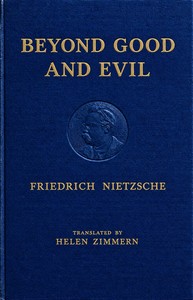
  5. 5.Πέρα από το καλό και το κακό

    Friedrich Nietzsche, 1886

    Κοινά στοιχεία: ηθική και αντίσταση. Μια αιχμηρή περιήγηση στις συνήθειες του μυαλού που θεωρούμε δεδομένες: γιατί οι φιλόσοφοι λένε ψέματα στον εαυτό τους, τι κρύβουν τα ήθη μας και τι χρειάζεται για να σκέφτεσαι χωρίς να κολακεύεις τον εαυτό σου.

    Nobody will very readily regard a doctrine as true merely because it makes people happy or virtuous—excepting, perhaps, the amiable “Idealists,” who are enthusiastic about the good, true, and beautiful, and let all kinds of motley, coarse, and good-natured desirabilities swim about promiscuously in their pond. Happiness and virtue are no arguments. It is willingly forgotten, however, even on the part of thoughtful minds, that to make unhappy and to make bad are just as little counter-arguments. A thing could be TRUE, although it were in the highest degree injurious and dangerous; indeed, the fundamental constitution of existence might be such that one succumbed by a full knowledge of it—so that the strength of a mind might be measured by the amount of “truth” it could endure—or to speak more plainly, by the extent to which it REQUIRED truth attenuated, veiled, sweetened, damped, and falsified.
  6. 6.Τουσκουλανές διατριβές

    Cicero, -45

    Κοινά στοιχεία: ηθική και θάνατος. Χωρίς πια πολιτική εξουσία, ο Κικέρων προσπαθεί να ξεπεράσει τον φόβο του θανάτου και τη θλίψη. Πέντε απογεύματα ρωμαϊκής συζήτησης, γεμάτα πνεύμα και παρηγοριά.

    But because there is nothing beyond old age, we call that long. All these things are said to be long or short, according to the proportion of time they were given us for. Artistotle says there is a kind of insect near the river Hypanis, which runs from a certain part of Europe into the Pontus, whose life consists but of one day. Those that die at the eighth hour die in full age; those who die when the sun sets are very old, especially when the days are at the longest. Compare our longest life with eternity, and we shall be found almost as short-lived as those little animals.
  7. 8.Τα δοκίμια

    Francis Bacon, 1597

    Κοινά στοιχεία: ηθική. Πυκνά, σφιχτοδεμένα δοκίμια για την εκδίκηση, τη φιλία, τον πλούτο, τη φιλοδοξία και τον φόβο, γραμμένα σαν σημειώσεις ενός επιδέξιου συμβούλου. Κάθε σελίδα χωράει μια ζωή πρακτικής παρατήρησης σε λίγες κοφτερές φράσεις.

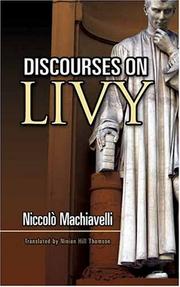
  8. 9.Στοχασμοί πάνω στον Τίτο Λίβιο

    Niccolò Machiavelli, 1531

    Κοινά στοιχεία: ελευθερία και αντίσταση. Ο Μακιαβέλι διαβάζει την ιστορία της Ρώμης και αναρωτιέται πώς οι δημοκρατίες επικρατούν, διαφθείρονται και πέφτουν — και γιατί οι ίδιες επιθυμίες επιστρέφουν σε κάθε πόλη.

  9. 10.Διάλογοι

    Plato, -347

    Κοινά στοιχεία: ηθική. Μια βαθιά εξερεύνηση των ερωτημάτων που διαμορφώνουν τον πολιτισμό: τι είναι δικαιοσύνη και σοφία, και τι συμβαίνει στην ψυχή μετά τον θάνατο;

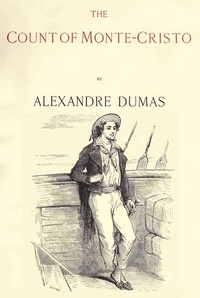
  10. 11.Ο Κόμης Μοντεχρίστος

    Alexandre Dumas, 1844

    Κοινά στοιχεία: ηθική και αντίσταση. Ένας νεαρός ναυτικός προδίδεται την ημέρα του γάμου του και περνά δεκατέσσερα χρόνια στη φυλακή. Ύστερα επιστρέφει πλούσιος και αγνώριστος, αποφασισμένος να καταστρέψει τις ζωές των ανθρώπων που τον έκλεισαν εκεί.

  11. 12.Σημειώσεις από το υπόγειο

    Fyodor Dostoyevsky, 1864

    Κοινά στοιχεία: ελευθερία. Ένας γραφιάς της Πετρούπολης εξηγεί εκτενώς, χωρίς να τον συμφέρει, γιατί δεν θα μπορούσε ποτέ να γίνει αξιοπρεπής άνθρωπος: το πρώτο πορτρέτο ενός ανθρώπου που σκέφτεται υπερβολικά.

Διάβασε σελίδες από βιβλία σαν αυτό, μία τη φορά

Το BookFeed είναι μια ροή με αποσπάσματα από βιβλία. Μαθαίνει τι σου αρέσει και σε βοηθά να βρεις το επόμενο βιβλίο σου.

Άνοιξε το BookFeed

Δωρεάν, χωρίς εγγραφή.