BookFeed English

Βιβλία σαν το «Κριτική του καθαρού λόγου»

Αν σου έμεινε το «Κριτική του καθαρού λόγου», αυτά τα βιβλία έχουν παρόμοια ατμόσφαιρα: περιέργεια, δέος και εξουσία. Διάβασε ένα απόσπασμα από το καθένα για να δεις ποιο σου ταιριάζει.

Για το «Κριτική του καθαρού λόγου» · Immanuel Kant

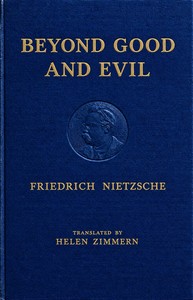
  1. 1.Πέρα από το καλό και το κακό

    Friedrich Nietzsche, 1886

    Κοινά στοιχεία: περιέργεια και ταυτότητα. Μια αιχμηρή περιήγηση στις συνήθειες του μυαλού που θεωρούμε δεδομένες: γιατί οι φιλόσοφοι λένε ψέματα στον εαυτό τους, τι κρύβουν τα ήθη μας και τι χρειάζεται για να σκέφτεσαι χωρίς να κολακεύεις τον εαυτό σου.

    Nobody will very readily regard a doctrine as true merely because it makes people happy or virtuous—excepting, perhaps, the amiable “Idealists,” who are enthusiastic about the good, true, and beautiful, and let all kinds of motley, coarse, and good-natured desirabilities swim about promiscuously in their pond. Happiness and virtue are no arguments. It is willingly forgotten, however, even on the part of thoughtful minds, that to make unhappy and to make bad are just as little counter-arguments. A thing could be TRUE, although it were in the highest degree injurious and dangerous; indeed, the fundamental constitution of existence might be such that one succumbed by a full knowledge of it—so that the strength of a mind might be measured by the amount of “truth” it could endure—or to speak more plainly, by the extent to which it REQUIRED truth attenuated, veiled, sweetened, damped, and falsified.
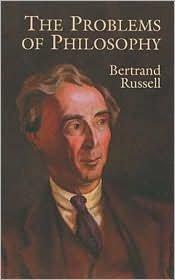
  2. 2.Τα προβλήματα της φιλοσοφίας

    Bertrand Russell, 1912

    Κοινά στοιχεία: περιέργεια και ταυτότητα. Μια σύντομη, καθαρή περιήγηση στα ερωτήματα που βρίσκονται κάτω από τα πάντα: αν το τραπέζι υπάρχει στ’ αλήθεια, γιατί να ανατείλει ο ήλιος και αύριο και τι μπορούμε να γνωρίζουμε. Γραμμένο για αναγνώστες χωρίς φιλοσοφικό υπόβαθρο.

    Everything, in contemplation, that is personal or private, everything that depends upon habit, self-interest, or desire, distorts the object, and hence impairs the union which the intellect seeks. By thus making a barrier between subject and object, such personal and private things become a prison to the intellect. The free intellect will see as God might see, without a here and now, without hopes and fears, without the trammels of customary beliefs and traditional prejudices, calmly, dispassionately, in the sole and exclusive desire of knowledge—knowledge as impersonal, as purely contemplative, as it is possible for man to attain.
  3. 3.Διάλογοι

    Plato, -347

    Κοινά στοιχεία: περιέργεια και ταυτότητα. Μια βαθιά εξερεύνηση των ερωτημάτων που διαμορφώνουν τον πολιτισμό: τι είναι δικαιοσύνη και σοφία, και τι συμβαίνει στην ψυχή μετά τον θάνατο;

    Book VII. And now I will describe in a figure the enlightenment or unenlightenment of our nature:—Imagine human beings living in an underground den which is open towards the light; they have been there from childhood, having their necks and legs chained, and can only see into the den. At a distance there is a fire, and between the fire and the prisoners a raised way, and a low wall is built along the way, like the screen over which marionette players show their puppets. Behind the wall appear moving figures, who hold in their hands various works of art, and among them images of men and animals, wood and stone, and some of the passersby are talking and others silent. “A strange parable,” he said, “and strange captives.”
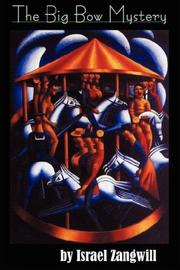
  4. 4.Το μυστήριο της οδού Μπόου

    Israel Zangwill, 1899

    Κοινά στοιχεία: περιέργεια και ταυτότητα. Ένα σατιρικό αλλά οξυδερκές πρώτο έργο αστυνομικής λογοτεχνίας, που αμφισβητεί όσα θεωρούμε δεδομένα για τη λογική, την ευφυΐα και την αλήθεια. Μια παιχνιδιάρικη, εγκεφαλική βουτιά στα αγγλικά μυστήρια.

    She cowered back, for an instant (I divined rather than saw the action) she shut off the dreaded sight with her hands. In that instant I had made my cut—precisely, scientifically—made so deep a cut and drew out the weapon so sharply that there was scarce a drop of blood on it; then there came from the throat a jet of blood which Mrs. Drabdump, conscious only of the horrid gash, saw but vaguely. I covered up the face quickly with a handkerchief to hide any convulsive distortion. But as the medical evidence (in this detail accurate) testified, death was instantaneous. I pocketed the razor and the empty sulfonal phial. With a woman like Mrs. Drabdump to watch me, I could do anything I pleased. I got her to draw my attention to the fact that both the windows were fastened.
  5. 5.Δοκίμια

    Michel de Montaigne, 1580

    Κοινά στοιχεία: περιέργεια και ταυτότητα. Ένας ευγενής του 16ου αιώνα εξετάζει τη φιλία, τον θάνατο, τα έθιμα και τις πέτρες στα νεφρά του, χρησιμοποιώντας τον εαυτό του ως απόδειξη. Διαβάζεται σαν μια μακρά, έξυπνη κουβέντα μ’ έναν ειλικρινή φίλο.

    ‘Tis wonderful from how many idle beginnings and frivolous causes such famous impressions commonly, proceed. This it is that obstructs information; for whilst we seek out causes and solid and weighty ends, worthy of so great a name, we lose the true ones; they escape our sight by their littleness. And, in truth, a very prudent, diligent, and subtle inquisition is required in such searches, indifferent, and not prepossessed. To this very hour, all these miracles and strange events have concealed themselves from me: I have never seen greater monster or miracle in the world than myself: one grows familiar with all strange things by time and custom, but the more I frequent and the better I know myself, the more does my own deformity astonish me, the less I understand myself.
  6. 6.Τα δοκίμια

    Francis Bacon, 1597

    Κοινά στοιχεία: περιέργεια και εξουσία. Πυκνά, σφιχτοδεμένα δοκίμια για την εκδίκηση, τη φιλία, τον πλούτο, τη φιλοδοξία και τον φόβο, γραμμένα σαν σημειώσεις ενός επιδέξιου συμβούλου. Κάθε σελίδα χωράει μια ζωή πρακτικής παρατήρησης σε λίγες κοφτερές φράσεις.

    For as for the first wrong, it doth but offend the law; but the revenge of that wrong, putteth the law out of office. Certainly, in taking revenge, a man is but even with his enemy; but in passing it over, he is superior; for it is a prince’s part to pardon. And Solomon, I am sure, saith, It is the glory of a man, to pass by an offence. That which is past is gone, and irrevocable; and wise men have enough to do, with things present and to come; therefore they do but trifle with themselves, that labor in past matters. There is no man doth a wrong, for the wrong’s sake; but thereby to purchase himself profit, or pleasure, or honor, or the like. Therefore why should I be angry with a man, for loving himself better than me?
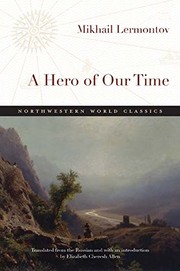
  7. 7.Ήρωας του καιρού μας

    Mikhail Lermontov, 1840

    Κοινά στοιχεία: περιέργεια και ανησυχία. Ένας ανιαρός νεαρός αξιωματικός περιφέρεται στον Καύκασο, γοητεύοντας και καταστρέφοντας όσους συναντά, σε ένα μυθιστόρημα που γέννησε τον σύγχρονο αντιήρωα.

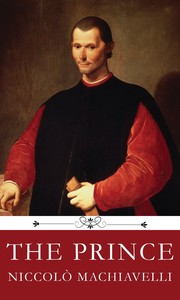
  8. 9.Ο Τετράρχης

    Niccolò Machiavelli, 1532

    Κοινά στοιχεία: εξουσία και περιέργεια. Ένα σύντομο, ψύχραιμο εγχειρίδιο για το πώς κερδίζεται και διατηρείται η εξουσία, γραμμένο από έναν άνθρωπο που την είδε από κοντά. Ο ωμός ρεαλισμός του εξακολουθεί να σε ταράζει, αλλά και να εξηγεί πώς συμπεριφέρονται οι ηγέτες.

  9. 10.Jacob’s Room

    Virginia Woolf, 1925

    Κοινά στοιχεία: ταυτότητα και περιέργεια. Μια προσωπική ματιά στη διακεκομμένη συνείδηση της σύγχρονης ζωής και στο πώς ένα βλέμμα, μια σκέψη που περνά ή μια κοινή στιγμή μπορούν να αλλάξουν τον τρόπο που καταλαβαίνουμε την ύπαρξη.

  10. 11.Οι κιβδηλοποιοί

    André Gide, 1925

    Κοινά στοιχεία: ταυτότητα και περιέργεια. Ένα μυθιστόρημα για έναν μυθιστοριογράφο που γράφει ένα μυθιστόρημα και μια ομάδα νέων που δοκιμάζουν τον έρωτα, την πίστη και ψεύτικες ταυτότητες.

Διάβασε σελίδες από βιβλία σαν αυτό, μία τη φορά

Το BookFeed είναι μια ροή με αποσπάσματα από βιβλία. Μαθαίνει τι σου αρέσει και σε βοηθά να βρεις το επόμενο βιβλίο σου.

Άνοιξε το BookFeed

Δωρεάν, χωρίς εγγραφή.