
Wicked
Gregory Maguire, 1995
The Wicked Witch of the West gets a childhood, a family, a cause and a conscience. Oz retold from the other side, thick with politics, desire and moral fog. A witty, uneasy retelling that moves through Oz with political bite, moral fog and a lingering sense of memory.
Feels like unease and curiosity. About power, morality and memory.
Who it’s for
You may like it if you enjoy fantasy that trades clear heroes for political intrigue, desire and moral ambiguity. Be prepared for a thicket of politics and moral fog; this is a denser book than the Broadway musical.
Why read it
It gives you Oz from the other side, where power, memory and conscience pull against each other, and asks what truth is when everyone agrees on it.
A page from the book
What it costs to be the last person in the room still disagreeing.
The truth isn’t a thing of fact, or reason. It’s simply what everyone agrees on. Gregory Maguire.Maguire had published children's books before Wicked, his first novel for adults. It was the 2003 Broadway musical, not the novel, that turned it into a phenomenon.
Books that feel like this
Where to get it
Some of these links earn us a small commission, at no cost to you. It keeps BookFeed free.
Questions readers ask
- Is Wicked for me?
- You may like it if you enjoy fantasy that trades clear heroes for political intrigue, desire and moral ambiguity. Be prepared for a thicket of politics and moral fog; this is a denser book than the Broadway musical.
- What is Wicked like?
- A witty, uneasy retelling that moves through Oz with political bite, moral fog and a lingering sense of memory. Feels like unease and curiosity. About power, morality and memory.
- What should I read after Wicked?
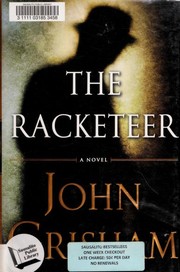
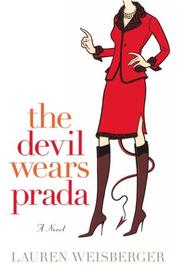
- If you liked Wicked, try The Wind-Up Bird Chronicle (Haruki Murakami), The Racketeer (John Grisham) and The Devil Wears Prada (Lauren Weisberger).
A taste of the feed
What four in the morning does to water, air, and books.
But even so, every now and then I would feel a violent stab of loneliness. The very water I drink, the very air I breathe, would feel like long, sharp needles. The pages of a book in my hands would take on the threatening metallic gleam of razor blades. I could hear the roots of loneliness creeping through me when the world was hushed at four o’clock in the morning.
The Wind-Up Bird Chronicle · Haruki Murakami
What a city gains by refusing to let the world in.
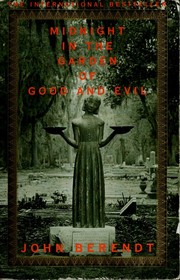
For me, Savannah’s resistance to change was its saving grace. The city looked inward, sealed off from the noises and distractions of the world at large. It grew inward, too, and in such a way that its people flourished like hothouse plants tended by an indulgent gardener. The ordinary became extraordinary. Eccentrics thrived. Every nuance and quirk of personality achieved greater brilliance in that lush enclosure than would have been possible anywhere else in the world.
Midnight in the Garden of Good and Evil · John Berendt
What love reveals about the person doing the loving.
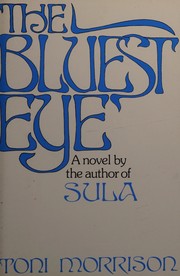
Love is never any better than the lover. Wicked people love wickedly, violent people love violently, weak people love weakly, stupid people love stupidly, but the love of a free man is never safe. There is no gift for the beloved. The lover alone possesses his gift of love. The loved one is shorn, neutralized, frozen in the glare of the lover’s inward eye.
The Bluest Eye · Toni Morrison
Read pages from books like this, one at a time
Keep reading in the feed