
The Silmarillion
J. R. R. Tolkien, 1977
★ 4.04 from 352.2k ratings on Goodreads
The creation myth and lost legends of Middle-earth: cosmic music, doomed oaths, and the wars that made Frodo's world. The prose moves like an old chronicle: solemn, musical, and remote, with long sweeps of wonder and grief.
Feels like awe, grief and wonder. About freedom, memory and society.
Who it’s for
You may like it if you enjoy mythic history, invented languages, and stories told at a grand distance. Be warned that many readers find it dense and name-heavy, with stretches that are hard to follow.
Why read it
It gives you the deep background of Middle-earth: the music of creation, the long grief of the Elves, and the wars behind the familiar tale.
A page from the book
The first rebel wanted not power but a corner of his own.
But now Ilúvatar sat and hearkened, and for a great while it seemed good to him, for in the music there were no flaws. But as the theme progressed, it came into the heart of Melkor to interweave matters of his own imagining that were not in accord with the theme of Ilúvatar; for he sought therein to increase the power and glory of the part assigned to himself. To Melkor among the Ainur had been given the greatest gifts of power and knowledge, and he had a share in all the gifts of his brethren. He had gone often alone into the void places seeking the Imperishable Flame; for desire grew hot within him to bring into Being things of his own, and it seemed to him that Ilúvatar took no thought for the Void, and he was impatient of its emptiness. What readers say
Readers are awed by the immense worldbuilding and mythological depth, and many love the lore enough to reread. Others find it dense, name-heavy, and hard to follow, with some boredom or frustration despite respecting its ambition.
J. R. R. Tolkien.Tolkien began the Ainulindalë around 1918 and revised it for decades; Christopher Tolkien assembled The Silmarillion from his father's papers in 1977.
Books that feel like this
More by J. R. R. Tolkien
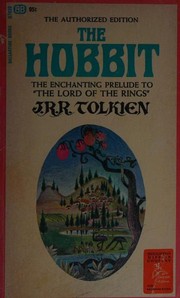
The Hobbit
J.R.R. Tolkien, 1934
A quiet Hobbit's routine world is shattered when an unexpected visitor introduces him to a quest of impossible stakes.
The Fellowship of the Ring
J.R.R. Tolkien, 1954
A quiet hobbit inherits a ring that is not his to keep, and leaves the Shire with friends who do not yet know the road.
The Two Towers
J.R.R. Tolkien, 1954
The middle volume of the war for Middle-earth: a divided fellowship, a haunted guide, and two hobbits climbing toward the one place that can end it.
Where to get it
Some of these links earn us a small commission, at no cost to you. It keeps BookFeed free.
Questions readers ask
- Is The Silmarillion for me?
- You may like it if you enjoy mythic history, invented languages, and stories told at a grand distance. Be warned that many readers find it dense and name-heavy, with stretches that are hard to follow.
- What is The Silmarillion like?
- The prose moves like an old chronicle: solemn, musical, and remote, with long sweeps of wonder and grief. Feels like awe, grief and wonder. About freedom, memory and society.
- What should I read after The Silmarillion?
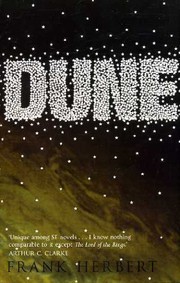
- If you liked The Silmarillion, try Dune (Frank Herbert), The Odyssey (Homer) and Kitchen Confidential (Anthony Bourdain).
A taste of the feed
What to say to yourself when fear arrives and will not leave.
I must not fear. Fear is the mind-killer. Fear is the little-death that brings total obliteration. I will face my fear. I will permit it to pass over me and through me. And when it has gone past I will turn the inner eye to see its path. Where the fear has gone there will be nothing. Only I will remain.
Dune · Frank Herbert
What the greatest of the Greek heroes would trade for a day of paid labour.
“I spake; Achilles quickly answered me:— ‘Noble Ulysses, speak not thus of death, As if thou couldst console me. I would be A laborer on earth, and serve for hire Some man of mean estate, who makes scant cheer, Rather than reign o’er all who have gone down To death. Speak rather of my noble son, Whether or not he yet has joined the wars To fight among the foremost of the host.
The Odyssey · Homer
Advice that sounds like freedom and costs almost everything to keep.
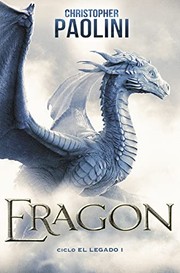
Let no one rule your mind or body. Take special care that your thoughts remain unfettered, one may be a free man and yet be bound tighter than a slave. Give men your ear, but not your heart. Show respect for those in power, but don’t follow them blindly. Judge with logic and reason, but comment not. Consider none your superior in life. Treat all fairly or they will seek revenge. Be careful with your money. Hold fast to your beliefs and others will listen. Of the affairs of love, my only advice is to be honest. That’s your most powerful tool to unlock a heart or gain forgiveness.
Eragon · Christopher Paolini
Read pages from books like this, one at a time
Keep reading in the feed