
The Greatest Generation
Tom Brokaw, 1998
★ 4.04 from 20.1k ratings on Goodreads
Tom Brokaw's oral history of Americans who came of age in the Depression and fought World War II, told through ordinary lives that shaped the century. Plain-spoken recollections of Depression childhoods and wartime service, warm with nostalgia but shadowed by grief and loss.
Feels like nostalgia, grief and wonder. About memory, war and family.
Who it’s for
You may like it if you enjoy oral history and firsthand accounts of ordinary people in the Depression and World War II. Some readers find the writing repetitive and the tone sentimental, with less room for lives that went badly.
Why read it
It gathers a generation's memories while they could still tell them, and gives you the century's big events through small, specific lives.
A page from the book
Nostalgia can make a house feel smaller.
Many of them had been born just twenty years earlier than I, in a time of national promise, optimism, and prosperity, when all things seemed possible as the United States was swiftly taking its place as the most powerful nation in the world. World War I was over, America’s industrial might was coming of age with the rise of the auto industry and the nascent communications industry, Wall Street was booming, and the popular culture was rich with the likes of Babe Ruth, Eugene O’Neill, D. W. Griffith, and a new author on the scene, F. Scott Fitzgerald. What those unsuspecting infants could not have realized, of course, was that these were temporary conditions, a false spring to a life that would be buffeted by winds of change dangerous and unpredictable, so fierce that they threatened not just America but the very future of the planet. What readers say
Readers are deeply moved and grateful for these veterans’ stories, often finding them inspiring and nostalgic. Others find the writing repetitive and shallow, and regret its sentimental glorification while overlooking damaged or less successful lives.
Tom Brokaw.Brokaw was NBC Nightly News anchor when he wrote it; the book grew from his reporting and a 1994 trip to Normandy for the 50th anniversary of D-Day.
Books that feel like this
Where to get it
Some of these links earn us a small commission, at no cost to you. It keeps BookFeed free.
Questions readers ask
- Is The Greatest Generation for me?
- You may like it if you enjoy oral history and firsthand accounts of ordinary people in the Depression and World War II. Some readers find the writing repetitive and the tone sentimental, with less room for lives that went badly.
- What is The Greatest Generation like?
- Plain-spoken recollections of Depression childhoods and wartime service, warm with nostalgia but shadowed by grief and loss. Feels like nostalgia, grief and wonder. About memory, war and family.
- What should I read after The Greatest Generation?
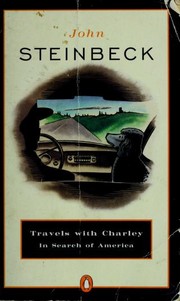
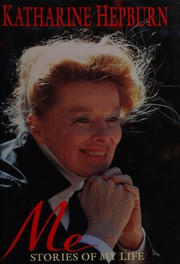
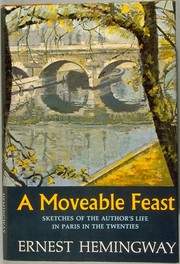
- If you liked The Greatest Generation, try Travels with Charley (John Steinbeck), Me (Katharine Hepburn) and A Moveable Feast (Ernest Hemingway).
A taste of the feed
Every generation mistakes its childhood for a better world.
Even while I protest the assembly-line production of our food, our songs, our language, and eventually our souls, I know that it was a rare home that baked good bread in the old days. Mother’s cooking was with rare exceptions poor, that good unpasteurized milk touched only by flies and bits of manure crawled with bacteria, the healthy old-time life was riddled with aches, sudden death from unknown causes, and that sweet local speech I mourn was the child of illiteracy and ignorance. It is the nature of a man as he grows older, a small bridge in time, to protest against change, particularly change for the better.
Travels with Charley · John Steinbeck
A man writes a letter that is mostly a knife, and exactly correct about the sums.
Your income has always been ample, and you never ought to have borrowed any money, and Mary Towle did a great wrong in lending you any money. My opinion of you is the same as it always has been—that you are an extravagant, deceitful, dishonest, worthless person. You have squandered thousands of dollars and left your honest debts unpaid. But I do not think you are capable of comprehending the mistakes that you have made. Now that you are paying up Mary Towle, how would it do to pay the various other accounts that you owe?
Me · Katharine Hepburn
The cost of becoming conscious of your own gift.
His talent was as natural as the pattern that was made by the dust on a butterfly’s wings. At one time he understood it no more than the butterfly did and he did not know when it was brushed or marred. Later he became conscious of his damaged wings and of their construction and he learned to think and could not fly any more because the love of flight was gone and he could only remember when it had been effortless.
A Moveable Feast · Ernest Hemingway
Read pages from books like this, one at a time
Keep reading in the feed