
The Alchemist
Paulo Coelho, 1988
Fantasy Contemporary fictionLiterary fictionGraphic novels & humour
A shepherd crosses the Sahara chasing a recurring dream, meeting a king, an alchemist and his own fear, in a fable about whether desire is a compass or a trap. A plain, hopeful fable moves at a walking pace, with a lyrical voice and a philosophical bent.
Feels like hope, wonder and awe. About freedom.
Who it’s for
You may enjoy it if you like short, allegorical stories that ask what desire is for. The fable is plainly told and message-forward, so readers wanting rich characters or a complex plot may find it thin.
Why read it
It offers a quiet, portable way to think about ambition, fear and the difference between wanting and being driven.
A page from the book
The nothing-to-lose freedom of being robbed in a foreign country.
He looked around at the empty plaza again, feeling less desperate than before. This wasn’t a strange place; it was a new one…he had already traveled farther than any shepherd he knew. Oh, if they only knew how different things are just two hours by ship from where they are, he thought….As he mused about these things, he realized that he had to choose between thinking of himself as the poor victim of a thief and as an adventurer in quest of his treasure. “I’m an adventurer, looking for treasure,” he said to himself. Paulo Coelho.Published in Brazil in 1988, the novel was slow to sell; its English translation later made Coelho one of the world's most widely read authors.
Books that feel like this

Where to get it
Some of these links earn us a small commission, at no cost to you. It keeps BookFeed free.
Questions readers ask
- Is The Alchemist for me?
- You may enjoy it if you like short, allegorical stories that ask what desire is for. The fable is plainly told and message-forward, so readers wanting rich characters or a complex plot may find it thin.
- What is The Alchemist like?
- A plain, hopeful fable moves at a walking pace, with a lyrical voice and a philosophical bent. Feels like hope, wonder and awe. About freedom.
- What should I read after The Alchemist?
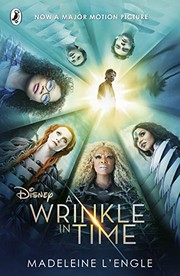
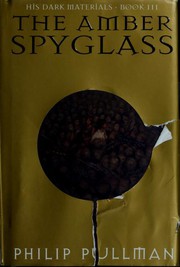
- If you liked The Alchemist, try Jonathan Livingston Seagull (Richard Bach), A Wrinkle in Time (Madeleine L'Engle) and The Amber Spyglass (Philip Pullman).
A taste of the feed
The fastest thing in the sky turns out not to be a number.
You will begin to touch heaven, Jonathan, in the moment that you touch perfect speed. And that isn’t flying a thousand miles an hour, or a million, or flying at the speed of light. Because any number is a limit, and perfection doesn’t have limits. Perfect speed, my son, is being there.
Jonathan Livingston Seagull · Richard Bach
The moment a familiar body becomes something no myth has a name for.
The wild colors of her clothes became muted, whitened. The pudding-bag shape stretched, lengthened, merged. And suddenly before the children was a creature more beautiful than any Meg had even imagined, and the beauty lay in far more than the outward description. Outwardly Mrs. Whatsit was surely no longer a Mrs. Whatsit. She was a marble-white body with powerful flanks, something like a horse but at the same time completely unlike a horse, for from the magnificently modeled back sprang a nobly formed torso, arms, and a head resembling a man’s, but a man with a perfection of dignity and virtue, an exaltation of joy such as Meg had never before seen.
A Wrinkle in Time · Madeleine L'Engle
What if oblivion were not an ending but a scattering into the world.
Even if it means oblivion, friends, I’ll welcome it, because it won’t be nothing. We’ll be alive again in a thousand blades of grass, and a million leaves; we’ll be falling in the raindrops and blowing in the fresh breeze; we’ll be glittering in the dew under the stars and the moon out there in the physical world, which is our true home and always was.
The Amber Spyglass · Philip Pullman
Read pages from books like this, one at a time
Keep reading in the feed