
Snow Flower and the Secret Fan
Lisa See, 2005
Historical fiction Contemporary fictionLiterary fiction
Two girls in nineteenth-century China become laotong, sworn sisters for life, and write to each other in a secret script most men cannot read. A close, lyrical friendship story moves at a steady pace, with grief and family tenderness threaded through a witty, intimate voice.
Feels like grief and tenderness. About friendship, family and death.
Who it’s for
You may like it if you enjoy historical fiction about women’s inner lives, friendship, and the small ways people keep each other close. Be aware that the nineteenth-century setting includes harsh judgments of daughters and emotional neglect, so some passages are quietly bleak.
Why read it
It offers an intimate look at a sworn friendship and the secret language that sustains it, and at how family wounds shape a life.
A page from the book
What a child decides she must become in order to be looked at.
Even now, after all these years, it is difficult for me to think about Mama and what I realized on that day. I saw so clearly that I was inconsequential to her. I was a third child, a second worthless girl, too little to waste time on until it looked like I would survive my milk years. She looked at me the way all mothers look at their daughters—as a temporary visitor who was another mouth to feed and a body to dress until I went to my husband’s home. I was five, old enough to know I didn’t deserve her attention, but suddenly I craved it. I longed for her to look at me and talk to me the way she did with Elder Brother. Lisa See.See's Chinese great-grandfather settled in Los Angeles's Chinatown; she wrote a family memoir, On Gold Mountain, about that history before turning to fiction set in China.
Books that feel like this

Where to get it
Some of these links earn us a small commission, at no cost to you. It keeps BookFeed free.
Questions readers ask
- Is Snow Flower and the Secret Fan for me?
- You may like it if you enjoy historical fiction about women’s inner lives, friendship, and the small ways people keep each other close. Be aware that the nineteenth-century setting includes harsh judgments of daughters and emotional neglect, so some passages are quietly bleak.
- What is Snow Flower and the Secret Fan like?
- A close, lyrical friendship story moves at a steady pace, with grief and family tenderness threaded through a witty, intimate voice. Feels like grief and tenderness. About friendship, family and death.
- What should I read after Snow Flower and the Secret Fan?
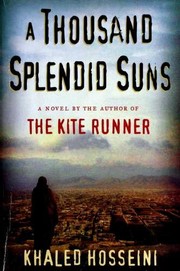
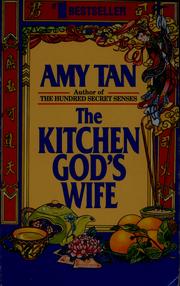
- If you liked Snow Flower and the Secret Fan, try A Thousand Splendid Suns (Khaled Hosseini), The Kitchen God's Wife (Amy Tan) and Blue Sisters (Coco Mellors).
A taste of the feed
How long it takes before cruelty becomes ordinary.
It wasn’t easy tolerating him talking this way to her, to bear his scorn, his ridicule, his insults, his walking past her like she was nothing but a house cat. But after four years of marriage, Mariam saw clearly how much a woman could tolerate when she was afraid. And Mariam was afraid.
A Thousand Splendid Suns · Khaled Hosseini
Why calling a close friend a sister can feel like a small betrayal.
A sister is not a friend. Who can explain the urge to take a relationship as primal and complex as a sibling and reduce it to something as replaceable, as banal as a friend? Yet this status is used again and again to connote the highest intimacy. True sisterhood is not the same as friendship. You don’t choose each other and there is no furtive period of getting to know each other. You are a part of each other, right from the start. Look at an umbilical cord—tough, sinuous, unlovely, yet essential—and compare it to a friendship bracelet of brightly woven thread. That is the difference between a sister and a friend.
Blue Sisters · Coco Mellors
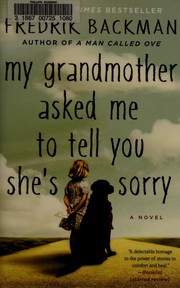
What we actually do with grief, since time doesn't shrink it.
People in the real world always say, when something terrible happens, that the sadness and loss and aching pain of the heart will “lessen as time passes,” but it isn’t true. Sorrow and loss are constant, but if we all had to go through our whole lives carrying them the whole time, we wouldn’t be able to stand it. The sadness would paralyze us. So in the end we just pack it into bags and find somewhere to leave it.
My Grandmother Asked Me to Tell You She's Sorry · Fredrik Backman
Read pages from books like this, one at a time
Keep reading in the feed