The Fire Next Time
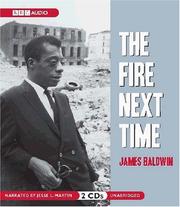
James Baldwin, 1963
Baldwin's 1963 essays — a letter to his teenage nephew and a long reckoning with race, faith and American self-deception — still sound like an alarm nobody has switched off.
 BookFeed Ελληνικά
Feels like freedom, love and longing.
Start with The Fire Next Time.
Baldwin grew up poor and Pentecostal in Harlem and preached as a teenage minister himself, then left the pulpit to write about the same sins and the same souls.
The monuments we raise so we never have to look at death.
Perhaps the whole root of our trouble, the human trouble, is that we will sacrifice all the beauty of our lives, will imprison ourselves in totems, taboos, crosses, blood sacrifices, steeples, mosques, races, armies, flags, nations, in order to deny the fact of death, which is the only fact we have. James Baldwin, 1963
Baldwin's 1963 essays — a letter to his teenage nephew and a long reckoning with race, faith and American self-deception — still sound like an alarm nobody has switched off.
James Baldwin, 1956
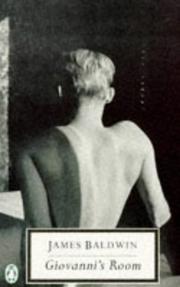
An American in postwar Paris is engaged to a woman and in love with a man, and cannot choose — Baldwin's tight, merciless novel of desire and cowardice.
James Baldwin, 1956
A young man looks back on desire, fear and the stories he tells himself while trying to become someone he can live with.
Read pages from books like this, one at a time
BookFeed is a feed of real passages from real books. It learns what moves you and finds your next book.
Open BookFeedFree, no sign-up.