Poetry
John Keats, 1820
Poems that make beauty and mortality argue in the same breath—odes, sonnets, and mythic fragments from a writer who died at twenty-five.
 BookFeed Ελληνικά
1795–1821
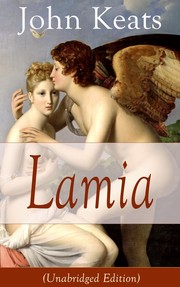
Keats writes as though beauty and death were the same argument, carried on in odes, sonnets, and long mythic poems. In «Lamia, John Keats (1820)» a serpent becomes a woman and a philosopher insists on seeing clearly, while the shorter poems in «Poetry, John Keats (1820)» hold pleasure and loss close together in lines you can hear. Start with «Poetry, John Keats (1820)» if you want the odes and sonnets first; go to «Lamia, John Keats (1820)» when you want a stranger, more restless story in verse.
Feels like wonder, art and morality.
Start with Poetry.
Keats trained as an apothecary-surgeon and could legally have practiced medicine; he chose poetry instead, and died of tuberculosis at twenty-five.
A song that makes one night feel as old as the species.
Thou wast not born for death, immortal Bird!No hungry generations tread thee down;The voice I hear this passing night was heardIn ancient days by emperor and clown:Perhaps the self-same song that found a pathThrough the sad heart of Ruth, when, sick for home,She stood in tears amid the alien corn;The same that oft-times hathCharm’d magic casements, opening on the foamOf perilous seas, in faery lands forlorn. John Keats, 1820
Poems that make beauty and mortality argue in the same breath—odes, sonnets, and mythic fragments from a writer who died at twenty-five.
John Keats, 1820
A serpent becomes a woman, a philosopher refuses to look away, and a feast is conjured out of nothing: Keats's late poem of magic against analysis.
Read pages from books like this, one at a time
BookFeed is a feed of real passages from real books. It learns what moves you and finds your next book.
Open BookFeedFree, no sign-up.