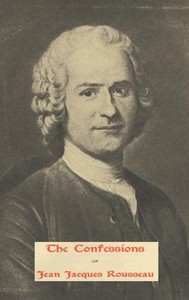
The Confessions of Jean Jacques Rousseau
Jean-Jacques Rousseau, 1782
An eighteenth-century philosopher tells on himself: vanity, tenderness, shame and long walks, written to be judged. It reads like the first modern memoir, and it is often funny.
 BookFeed Ελληνικά
1712–1778
Rousseau wrote an opera, Le devin du village (1752), that so delighted Louis XV the king offered him a pension. Rousseau declined it.
Feels like nostalgia, memory and identity.
When hope runs out, memory can become the better place to live.
Nothing that passed during that charming epocha, nothing that I did, said, or thought, has escaped my memory. The time that preceded or followed it, I only recollect by intervals, unequally and confused; but here I remember all as distinctly as if it existed at this moment. Imagination, which in my youth was perpetually anticipating the future, but now takes a retrograde course, makes some amends by these charming recollections for the deprivation of hope, which I have lost forever. I no longer see anything in the future that can tempt my wishes, it is a recollection of the past alone that can flatter me, and the remembrance of the period I am now describing is so true and lively, that it sometimes makes me happy, even in spite of my misfortunes. Jean-Jacques Rousseau, 1782
An eighteenth-century philosopher tells on himself: vanity, tenderness, shame and long walks, written to be judged. It reads like the first modern memoir, and it is often funny.
Read pages from books like this, one at a time
BookFeed is a feed of real passages from real books. It learns what moves you and finds your next book.
Open BookFeedFree, no sign-up.